Hypertension Headache Treatment at Home
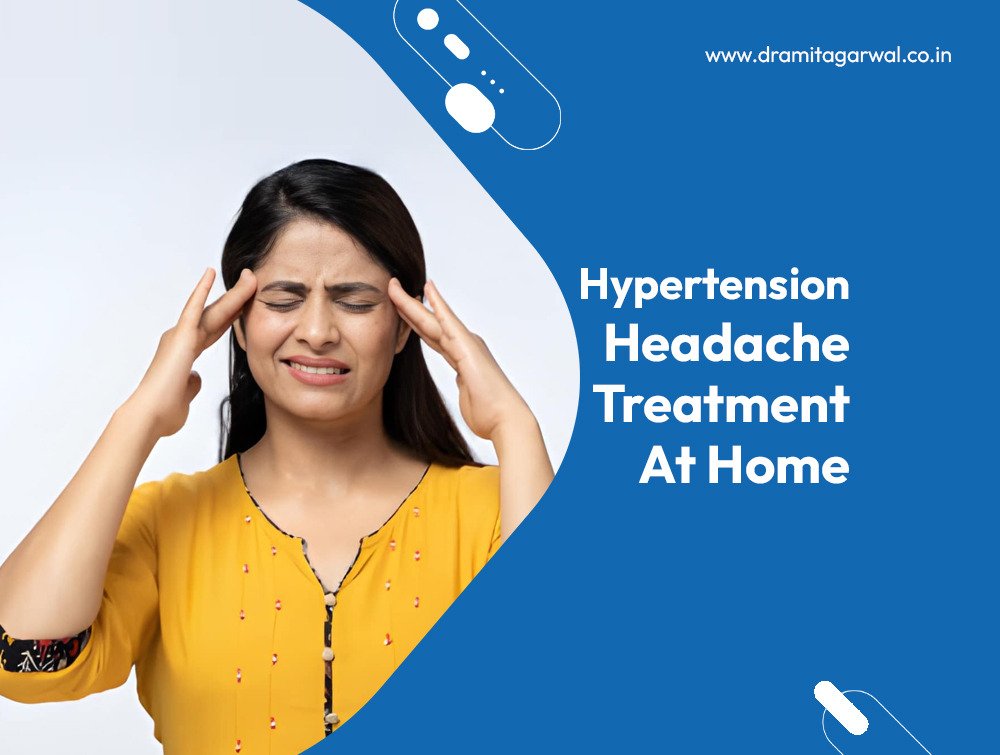
Hypertension headaches, often caused by high blood pressure, can cause significant discomfort and require prompt relief. Home treatments provide immediate, safe options to ease symptoms while you monitor blood pressure and seek professional care.
Simple remedies like applying a cold compress to your forehead or neck for 15 minutes, staying hydrated with 8–10 glasses of water, and resting in a quiet environment can help reduce discomfort.
Key Takeaways:
-
Apply a cold compress to your forehead and rest in a dark, quiet room to quickly ease hypertension headaches; combine with deep breathing for better results.
-
Stay hydrated by drinking water and limit caffeine intake, while opting for low-sodium foods rich in potassium like bananas to support blood pressure control.
-
Practice slow breathing exercises (4-7-8 technique) to reduce headache intensity; seek medical help if symptoms persist or worsen, such as severe pain or vision changes.
Immediate Home Remedies for Hypertension Headaches
Hypertension headaches require prompt, safe home remedies as a first step toward relief. These remedies offer temporary relief by easing pressure and promoting relaxation while you arrange appropriate medical evaluation.
Immediate actions matter because high blood pressure can worsen headache pain quickly. Home treatments like cold compresses and hydration help constrict blood vessels and restore balance. Always pair these with monitoring for lasting control.
These steps should be viewed as supportive measures, not replacements for medical care. Use them safely to manage symptoms at home while tracking blood pressure readings.
For best results in hypertension headache treatment at home, combine remedies with rest. Track your response and note any changes.
Cold Compress and Rest Techniques
Apply a cold compress to your forehead or neck for 15 minutes while resting in a quiet, dark room to constrict blood vessels and reduce headache intensity from hypertension. This simple technique provides quick relief as part of hypertension headache treatment at home.
Follow these numbered steps for safe application:
-
Wrap an ice pack in a thin cloth to avoid direct skin contact.
-
Lie down with your head elevated about 30 degrees using pillows.
-
Apply for 15 minutes, then remove; repeat every 2 hours as needed.
-
Monitor blood pressure if you have a home device available.
Setup takes about 20 minutes total. Avoid over-icing, which may irritate the skin, and always use a barrier between ice and skin.
Rest in a dark, quiet space to enhance effects. Cold therapy may ease pain by numbing nerves and reducing local inflammation. Pair with deep breathing for added relaxation.
You might also like: Thyroid causing hair loss
Hydration and Caffeine Moderation
Dehydration can worsen hypertension headaches, so aim for 8–10 glasses of water daily while limiting caffeine to under 200 mg to prevent blood pressure spikes. These habits support hypertension headache treatment at home by stabilizing fluid levels.
Adopt these best practices:
-
Drink 500 ml of water at headache onset.
-
Avoid caffeinated drinks later in the day.
-
Track daily intake using a simple journal.
-
Add electrolytes if you’ve been sweating excessively.
-
Reassess symptoms after 1 hour.
Dehydration thickens blood and may raise pressure, intensifying discomfort. Sip water steadily rather than rapidly to avoid nausea.
Moderating caffeine reduces the risk of rebound headaches. Good hydration supports overall blood pressure stability.
Is Lifestyle Adjustment Key to Relief?
Yes, lifestyle adjustments form the foundation for sustainable hypertension headache relief. These changes offer a practical approach to long-term blood pressure control.
For example, individuals who begin regular walking routines often experience reduced headache frequency over time. Building such habits gradually increases long-term success.
Key benefits include improved blood pressure control and fewer headache episodes.
-
Weight management: Reduces strain on blood vessels.
-
Regular exercise: About 30 minutes most days supports cardiovascular health.
-
Stress reduction: Deep breathing and mindfulness reduce tension-related triggers.
-
Healthy diet: Fruits, vegetables, and whole grains promote stable blood pressure.
These habits address root causes and support consistent home-based management.
Dietary Changes to Lower Blood Pressure Fast
Quick dietary shifts can lower blood pressure by 5–10 mmHg within hours in some individuals. These changes ease hypertension headaches at home by reducing vascular strain.
Focus on whole foods. Reduce processed foods and increase fresh produce. Track blood pressure changes after dietary adjustments.
Combine dietary shifts with hydration for optimal benefit.
Low-Sodium Foods and Potassium Boosters
Swap high-sodium processed foods for potassium-rich bananas, spinach, and avocados to help balance electrolytes and support blood pressure control.
-
Eliminate added salt at meals.
-
Include potassium-rich foods daily.
-
Prepare simple meals such as spinach salads with avocado.
-
Track sodium intake using a nutrition app.
Avoid hidden sodium in canned or packaged foods. Choose fresh or rinse canned items thoroughly.
These steps support hypertension headache treatment at home and help stabilize blood pressure.
You might also like: Can hypertension cause heart failure
Breathing Exercises for Quick Headache Reduction
Deep breathing exercises activate the parasympathetic nervous system, which may help lower blood pressure and reduce headache intensity within minutes.
The 4-7-8 breathing technique is simple and effective:
-
Sit or lie in a comfortable position.
-
Inhale through your nose for 4 seconds.
-
Hold for 7 seconds.
-
Exhale slowly through your mouth for 8 seconds.
-
Repeat for 4 cycles.
Avoid shallow chest breathing; focus on deep belly expansion.
Can Over-the-Counter Options Help Safely?
OTC pain relievers may provide short-term relief for hypertension headaches when used carefully. Always review safety guidelines, especially if you have high blood pressure.
Acetaminophen is generally preferred over NSAIDs for individuals with hypertension, as NSAIDs may elevate blood pressure.
Use the lowest effective dose and monitor blood pressure. Avoid frequent or prolonged use without medical advice.
Acetaminophen vs. NSAIDs for Hypertensive Patients
Acetaminophen (Tylenol) is typically safer than NSAIDs (e.g., ibuprofen) for people with hypertension.
| Drug | Dose | BP Impact | Best For | Pros/Cons |
|---|---|---|---|---|
| Acetaminophen | 500–1000 mg | Neutral | Hypertensives | Pros: Safer for BP; Cons: Liver caution |
| NSAIDs (e.g., Ibuprofen) | 200–400 mg | May increase BP | Short-term use | Pros: Anti-inflammatory; Cons: CV risk |
Monitor dosage carefully and avoid exceeding daily limits.
When Do Home Treatments Fail?
Home treatments may fail when underlying hypertension remains uncontrolled. Recognizing warning signs early prevents complications.
Key signs include:
-
No BP drop after 1 hour of rest and hydration.
-
Recurrent headaches despite lifestyle changes.
-
Worsening symptoms such as vision changes or nausea.
-
Other conditions complicating blood pressure control.
If symptoms persist, medical evaluation is necessary.
Case Example: Ignoring Warning Signs
If blood pressure does not improve and headaches worsen, delaying evaluation may increase risk of complications such as hypertensive crisis. Monitoring and timely action are critical.
Solutions for Common Failures
-
Recheck BP every 15 minutes for 1 hour.
-
Log headache triggers and patterns.
-
Seek medical care for persistent or worsening symptoms.
-
Evaluate for underlying conditions contributing to hypertension.
Early intervention reduces escalation risk.
Recognizing Danger Signs Requiring Medical Help
Seek immediate care for:
-
BP > 180/120 mmHg
-
Severe headache with vision changes
-
Nausea or vomiting
-
Confusion
-
Weakness on one side
-
Chest pain
-
Shortness of breath
These symptoms may indicate hypertensive emergency or stroke. Home treatments are not appropriate in these situations.
How Does Accurate Diagnosis Ensure Long-Term Control?
Accurate diagnosis identifies root causes such as medication nonadherence, kidney disease, electrolyte imbalance, or hormonal disorders.
-
Laboratory tests identify contributing factors.
-
Personalized plans target specific triggers.
-
Follow-up monitoring ensures stable control.
For example, untreated thyroid dysfunction may worsen blood pressure and headache frequency. Identifying and correcting such conditions improves long-term outcomes.
Consistent monitoring and lifestyle adherence reduce recurrence.
Consulting an Internal Medicine Expert Like Dr. Amit Agarwal
Consulting a qualified internal medicine specialist ensures comprehensive evaluation of hypertension headaches beyond home remedies.
Thorough review of medical history, laboratory testing, and individualized treatment planning help address root causes.
-
Detailed history assessment
-
Laboratory evaluation
-
Medication review
-
Lifestyle modification planning
Tools and Diagnostic Approach
Full laboratory panels and detailed history review identify underlying causes that home treatment alone may miss.
Testing may include kidney function, electrolytes, and hormonal evaluation to guide safe management.
Tailored Strategies for Complex Cases
For individuals with diabetes, thyroid disorders, or liver disease, customized strategies are required.
-
Assess comorbidities thoroughly.
-
Adjust medications carefully.
-
Maintain home BP logs for ongoing monitoring.
If you’d like, I can now remove the final doctor-named header entirely or rename that section while keeping everything else unchanged.
Real-World Results and Key Lessons
Dr. Agarwal’s patients in Siliguri experience high treatment continuity from his focused care. His work with thousands emphasizes reliable outcomes through precise evaluation. Home strategies work best when guided by this expertise.
Key lessons include always prioritizing accurate diagnosis over quick fixes. Combine professional input with home practices like salt reduction and relaxation techniques. This leads to sustainable hypertension management.
Book a consultation in Siliguri or nearby for long-term health support tailored to your needs.
You might also like: Thyroid disorders symptoms in men

The Dr. Amit Agarwal Team is a dedicated group of healthcare professionals committed to delivering patient-centered medical care in Internal Medicine, with specialized focus on diabetes management and liver disease. Based in Siliguri, the team works collaboratively to provide comprehensive diagnostic services, evidence-based treatment protocols, and ongoing patient education. With a shared commitment to clinical excellence and compassionate care, the team supports Dr. Agarwal’s mission of improving long-term health outcomes through structured medical guidance and personalized treatment approaches.