Infectious Diseases

Infectious diseases affect the body when bacteria, viruses, or other microorganisms trigger illness. They often present as fever, weakness, body aches, or digestive symptoms and may vary from mild to persistent conditions if not evaluated properly.
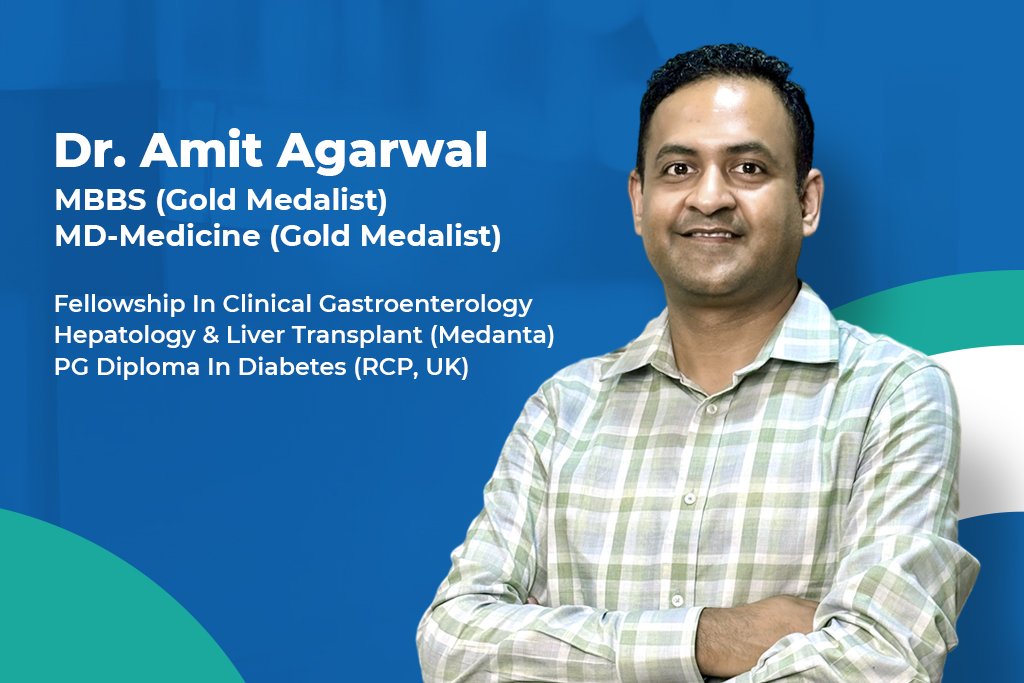
Under the care of Dr. Amit Agarwal, infectious diseases are managed by identifying the underlying cause and pattern of illness, rather than treating symptoms alone. The focus remains on accurate diagnosis and appropriate medical care.
Types of Infectious Conditions:
Infections can appear in different forms, each requiring careful evaluation.
- Viral Infections – Commonly cause fever, body aches, and fatigue; some may persist longer than expected.
- Bacterial Infections – May affect the respiratory tract, gastrointestinal system, urinary tract, or blood.
- Gastrointestinal Infections – Often present with loose motions, vomiting, dehydration, or weakness.
- Respiratory Infections – Include recurrent cough, throat infections, or chest infections.
- Fever of Unknown Origin – Prolonged fever where the cause is not immediately evident.
Conditions Often Linked With Infections:
Infectious diseases may be associated with dehydration, nutritional deficiencies, weakened immunity, metabolic imbalance, or prolonged fatigue after recovery. A comprehensive evaluation helps prevent recurrence and long-term complications.
A Careful, Evidence-Based Approach:
Management focuses on identifying the source of infection, using medications responsibly, and avoiding unnecessary antibiotic use. Treatment plans are guided by clinical findings, investigations, and patient response.
Ongoing Follow-up:
Some infections require monitoring even after symptoms improve. Regular follow-up helps ensure complete recovery, detect complications early, and support overall health restoration.
..