Alcoholic Liver Disease
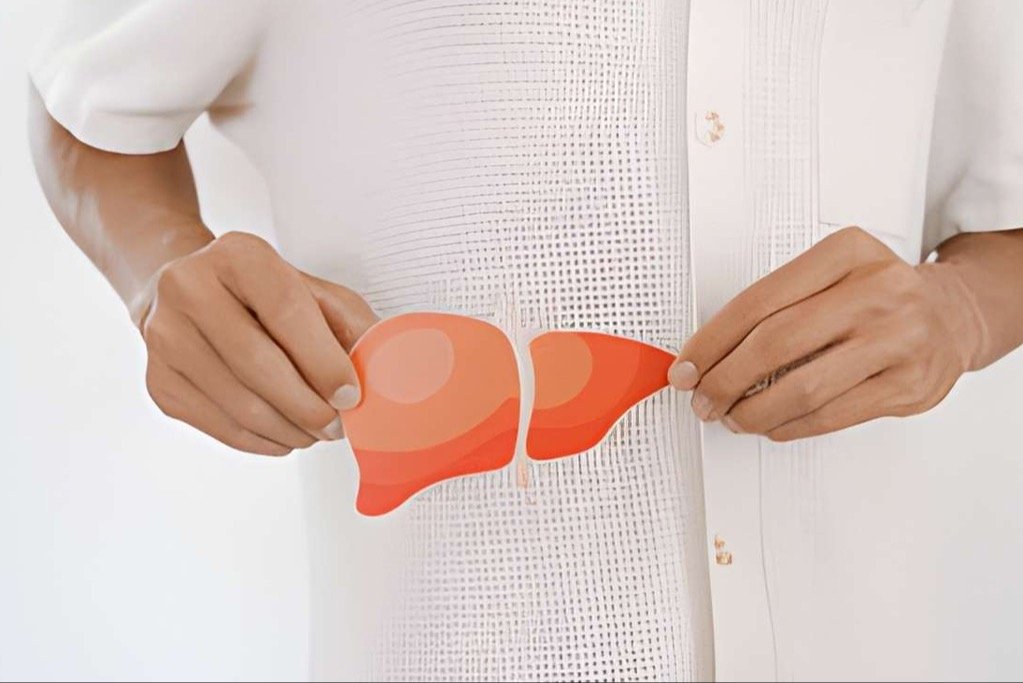
Alcoholic liver disease develops due to prolonged or excessive alcohol consumption and often progresses silently before symptoms become noticeable. Over time, alcohol-related liver damage can affect digestion, metabolism, energy levels, and overall health.
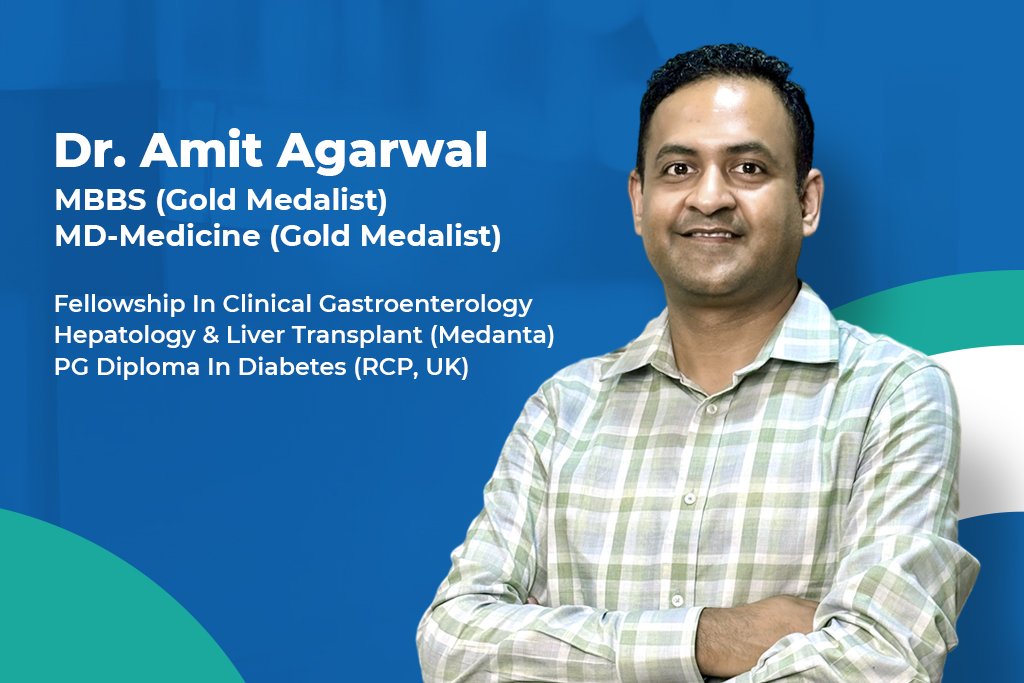
Under the care of Dr. Amit Agarwal, alcoholic liver disease is managed by understanding drinking patterns, nutritional status, liver function, and associated metabolic risks—not just treating abnormal reports.
Stages of Alcoholic Liver Disease:
Alcohol-related liver damage can appear in different stages, each requiring careful evaluation and monitoring.
- Alcoholic Fatty Liver – Early stage where fat accumulates in the liver, often reversible with timely intervention.
- Alcoholic Hepatitis – Inflammation of the liver that may cause symptoms such as fatigue, jaundice, and abnormal liver tests.
- Alcohol-Related Cirrhosis – Advanced scarring of the liver that can affect long-term liver function and overall health.
Conditions Often Linked With Alcoholic Liver Disease:
Alcoholic liver disease is frequently associated with nutritional deficiencies, metabolic imbalance, gastritis, pancreatitis, high cholesterol, and blood pressure fluctuations. A comprehensive evaluation helps address overlapping conditions that may worsen liver health.
A Structured Care Approach:
Management focuses on alcohol cessation support, nutritional correction, liver protection, and prevention of further damage. Care is guided by liver function assessment, symptom monitoring, and practical lifestyle adjustments suited to the individual.
Ongoing Monitoring:
Alcoholic liver disease requires regular follow-up to monitor liver recovery, detect complications early, and support sustained improvement. Ongoing medical guidance plays a key role in preserving liver function and overall well-being.
..