Anaemia

Anaemia is more than just low haemoglobin. It can quietly reduce energy levels, weaken immunity, and affect daily functioning without obvious warning signs. Many individuals remain unaware until symptoms begin to interfere with routine activities.
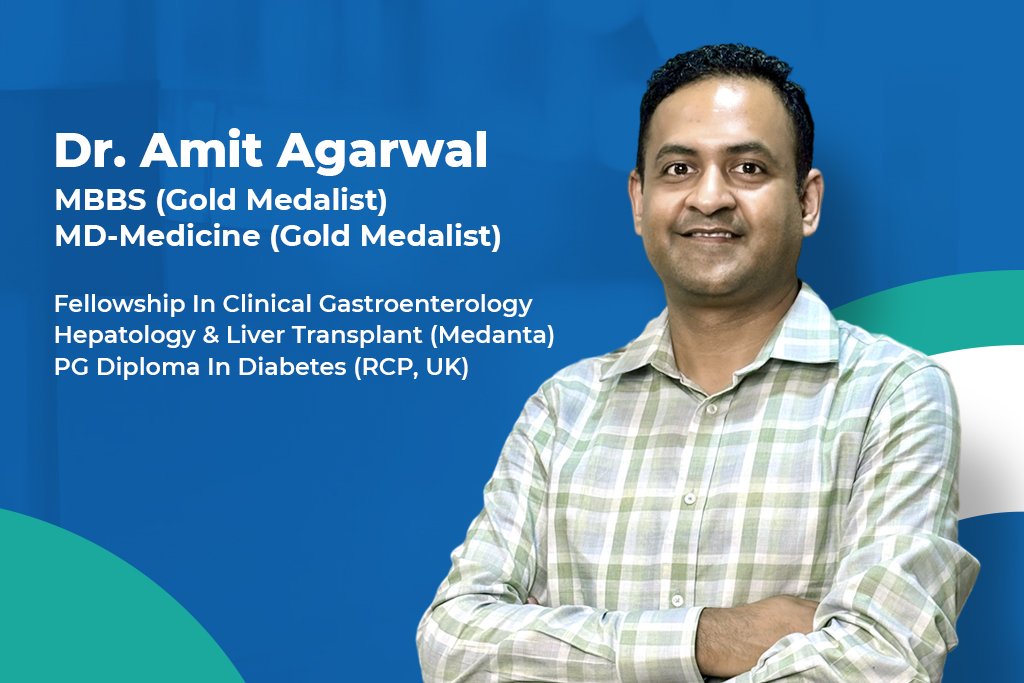
Under the care of Dr. Amit Agarwal, anaemia is evaluated by identifying why it occurs, rather than correcting laboratory values alone. The focus remains on understanding underlying causes and guiding appropriate long-term care.
Types of Anaemia:
Anaemia appears in different forms, each requiring a specific approach.
- Iron Deficiency Anaemia – Often caused by inadequate iron intake, absorption issues, or chronic blood loss.
- Vitamin B12 or Folate Deficiency Anaemia – Linked to dietary deficiency or absorption problems affecting red blood cell production.
- Anaemia of Chronic Disease – Develops alongside long-term medical conditions where inflammation interferes with iron utilisation.
- Autoimmune Anaemia – Occurs when the immune system destroys red blood cells, reducing oxygen delivery.
- Hereditary Anaemia – Inherited conditions where red blood cells are structurally or functionally abnormal.
Conditions Often Linked With Anaemia:
Anaemia is commonly associated with nutritional deficiencies, chronic illnesses, gastrointestinal disorders, kidney disease, and metabolic imbalance.A comprehensive evaluation helps identify contributing factors and prevent recurrence.
A Targeted Care Approach:
Management depends on the underlying cause of anaemia. Treatment focuses on correcting deficiencies, addressing absorption issues, and managing associated medical conditions through a structured and individualised plan.
Ongoing Monitoring:
Anaemia management requires follow-up to ensure recovery, maintain stable levels, and prevent recurrence. Periodic monitoring supports sustained improvement and overall well-being.
..