Thyroid Disorders Symptoms Men

Thyroid disorders in men, such as hypothyroidism and hyperthyroidism, often go undiagnosed because symptoms mimic stress or aging. These conditions disrupt hormone production, leading to issues like fatigue, weight changes, and heart palpitations that require prompt attention.
For hypothyroidism (underactive thyroid), common signs include persistent tiredness, unexplained weight gain, constipation, cold intolerance, dry skin, puffy face, and erectile dysfunction. In hyperthyroidism (overactive thyroid), men may experience rapid weight loss, rapid heart rate, muscle weakness, nervousness, excessive sweating, and tremors.
Symptoms can differ from women, with men more likely facing erectile dysfunction and cardiac risks, while women notice menstrual changes. Early blood tests for TSH, T4, and T3 levels enable tailored treatments like medication or radioactive iodine, preventing complications and supporting long-term health.
Key Takeaways:
- Men with hypothyroidism often experience persistent fatigue, unexplained weight gain, and cold intolerance, differing from women by showing less pronounced hair loss.
- Hyperthyroidism in men manifests as rapid heartbeat, muscle weakness, heat intolerance, and erectile dysfunction-symptoms men may overlook as aging.
- Seek immediate evaluation for early signs like mood changes, depression, or sudden weight shifts; accurate diagnosis by experts ensures tailored, long-term thyroid management.
Common Thyroid Disorders in Men
In men, common thyroid disorders like hypothyroidism and hyperthyroidism disrupt thyroid hormone production, affecting metabolism and energy levels, with Dr. Amit Agarwal noting tailored diagnosis for over 15,000 patients in Siliguri. These conditions involve the thyroid gland producing too little or too much thyroxine (T4) and triiodothyronine (T3). Women face rates 4-5 times higher than men per Cleveland Clinic data, yet men often encounter severe complications like erectile dysfunction.
Hypothyroidism, or underactive thyroid, stems from issues like Hashimoto’s thyroiditis, an autoimmune disease slowing hormone output. This leads to sluggish metabolism, weight gain, and fatigue. Mayo Clinic notes T3 and T4 imbalances show in blood tests with elevated TSH levels.
Hyperthyroidism, or overactive thyroid, often ties to Graves’ disease, causing excess hormones that speed up body functions. Men may notice rapid heart rate and muscle weakness more acutely. These disorders require early detection to avoid risks like heart issues or infertility.
Experts recommend monitoring symptoms and consulting for blood tests. Treatment options include medication, radioactive iodine, or surgery, depending on the cause. Addressing them promptly supports better health outcomes for men.
Hypothyroidism Symptoms
Hypothyroidism in men manifests as persistent fatigue, unexplained weight gain, constipation, cold intolerance, dry skin, puffy face, and erectile dysfunction, often linked to Hashimoto’s thyroiditis per Mayo Clinic insights. These signs arise from low thyroid hormones slowing metabolism. Blood tests reveal elevated TSH as a key indicator.
- Fatigue reduces workout endurance and daily focus.
- Weight gain persists despite steady diet and exercise.
- Constipation disrupts routine bowel habits.
- Cold intolerance makes normal temperatures feel freezing.
- Dry skin and hair loss signal poor circulation.
- Puffy face and hoarse voice affect appearance.
- Erectile dysfunction impacts intimacy and confidence.
One patient from Dr. Agarwal’s practice with 95% follow-up success ignored dry skin until nearing myxedema risks in Siliguri. Research suggests tracking symptoms over 2 weeks before a consult helps pinpoint patterns. Log energy dips, mood swings, and skin changes for accurate diagnosis.
Treatment with medication restores hormone balance. Early action prevents complications like high cholesterol or depression. Men should note family history of autoimmune disease for proactive checks.
Hyperthyroidism Symptoms
Hyperthyroidism symptoms in men include rapid weight loss, elevated heart rate, muscle weakness, nervousness, anxiety, irritability, heat sensitivity, excessive sweating, goitre, and palpitations, commonly from Graves’ disease as seen in MD Anderson Cancer Center studies. Excess T3 and T4 speed up metabolism. Autoimmune markers confirm the cause in many cases.
- Palpitations lead to atrial fibrillation risks during rest.
- Muscle weakness impacts gym performance and lifting.
- Nervousness and anxiety heighten daily stress.
- Irritability strains relationships and work focus.
- Heat sensitivity and sweating cause discomfort in mild weather.
- Goitre swells the enlarged thyroid visibly.
- Insomnia and tremors disrupt sleep and fine motor skills.
Self-check by monitoring resting heart rate over 100 bpm for 3 days, then log for evaluation like Dr. Agarwal’s approach. Symptoms like diarrhoea, thirst, or eye problems may also appear. Sitaram Bhartia Hospital observes tremors and insomnia in many men.
Treatment curbs hormone overproduction effectively. Options range from medication to radioactive iodine or surgery. Consistent tracking aids tailored management and reduces long-term risks.
How Do Thyroid Symptoms Differ in Men vs. Women?
Thyroid symptoms in men often present subtler than in women, with erectile dysfunction and atrial fibrillation more prominent versus women’s menstrual irregularities, per Cleveland Clinic comparisons. Men tend to attribute issues like fatigue to aging or stress. This leads to delayed recognition of thyroid disorders such as hypothyroidism or hyperthyroidism.
Experts note that the thyroid gland affects metabolism differently by gender. In men, underactive thyroid symptoms like weight gain and muscle weakness may mimic lifestyle factors. Women more commonly experience hair loss or goitre tied to autoimmune conditions like Hashimoto thyroiditis or Graves disease.
| Symptom | Men | Women | Key Difference |
|---|---|---|---|
| Fatigue | Masks as aging or overwork, delays check for hypothyroidism | Linked to menstrual changes or pregnancy | Men overlook it longer, slowing diagnosis |
| Weight Changes | Weight gain blamed on diet; weight loss seen as success in hyperthyroidism | Weight gain with heavy periods in hypothyroidism | Men misattribute to habits, women seek care sooner |
| Heart Issues | Palpitations or atrial fibrillation in hyperthyroidism | Less prominent, more anxiety-focused | Men face higher cardiac risks undiagnosed |
| Sexual Health | Erectile dysfunction common in hypothyroidism | Reduced libido, irregular cycles | Men avoid discussing, extending delays |
| Mood and Energy | Irritability, anxiety as stress; muscle weakness ignored | Mood swings with heat sensitivity or sweating | Men’s subtlety leads to later blood tests |
Dr. Agarwal emphasizes a patient-first approach with gender-tailored plans, focusing on thyroid hormones like thyroxine and triiodothyronine. He customizes treatment, from medication to radioactive iodine or surgery. Combined symptoms like fatigue, weight changes, and palpitations warrant a blood test promptly.
Watch for overlapping signs such as cold intolerance, dry skin, or puffy face in hypothyroidism, or nervousness, tremors, and insomnia in hyperthyroidism. Early testing prevents complications like enlarged thyroid or eye problems. Consult for personalized management of thyroid disease.
Early Warning Signs Men Shouldn’t Ignore
Men often dismiss early thyroid warning signs like persistent fatigue and mood changes as stress, but Dr. Amit Agarwal emphasizes careful listening to prevent chronic progression in his 10+ years treating Siliguri patients. Research suggests men face lower diagnosis rates for thyroid disorders compared to women. Ignoring these signs can lead to complications that require extensive follow-up care.
Common combos include fatigue plus weight gain pointing to hypothyroidism, an underactive thyroid slowing metabolism. In contrast, mood shifts with palpitations often signal hyperthyroidism, an overactive thyroid speeding heart rate. Men tend to overlook these due to busy lifestyles.
Early detection through simple tracking prevents issues like muscle weakness, erectile dysfunction, or goitre. Experts recommend monitoring symptoms daily to catch thyroid gland imbalances. Prompt action with a blood test for thyroid hormones like thyroxine and triiodothyronine makes a big difference.
Thyroid disease in men links to autoimmune conditions like Hashimoto thyroiditis or Graves disease. Watch for heat sensitivity, sweating, or cold intolerance as clues. Addressing signs early avoids needs for medication, radioactive iodine, or surgery.
Fatigue and Weight Gain
Unexplained fatigue paired with weight gain in men signals hypothyroidism, slowing metabolism via low thyroxine (T4) and triiodothyronine (T3), distinct from lifestyle factors. This underactive thyroid reduces energy and causes constipation or cold intolerance. Men often mistake it for aging or poor diet.
Use this numbered self-assessment to check for hypothyroidism symptoms:
- Track daily energy on a scale of 1-10 for 7 days.
- Weigh weekly and note any steady gain.
- Record instances of constipation or cold intolerance.
- Use a home pulse oximeter to check for slow heart rate.
If three or more signs appear, book a blood test within 48 hours to measure thyroid hormones. Research suggests men face higher misdiagnosis rates, confusing these with depression. Early treatment with medication restores metabolism and eases dry skin or puffy face.
Persistent fatigue with weight gain can worsen to hair loss or muscle weakness. Many men delay care. Start tracking today to avoid progression to enlarged thyroid or other issues.
Mood Changes and Depression
Mood swings, irritability, anxiety, or depression in men can stem from thyroid imbalances, with hypothyroidism causing low mood and hyperthyroidism triggering nervousness per Ankit Jha’s clinical observations. Hypothyroidism links to sluggish feelings, while hyperthyroidism brings anxiety and insomnia. These differ from everyday stress.
Break down common mood types tied to thyroid disorders. Hypothyroidism often leads to depression-like symptoms. Hyperthyroidism sparks anxiety, irritability, or hyperactivity with tremors and palpitations.
Follow these numbered coping steps for mood changes:
- Journal mood daily with sleep hours noted.
- Rule out external stressors like work pressure.
- Monitor for tremors or heart rate spikes.
- Consult a doctor if symptoms last over two weeks.
Doctors advise a thyroid screen before antidepressants. Untreated issues raise risks for erectile dysfunction. A blood test confirms low or high thyroid hormones, guiding treatment to balance mood and energy.
What Causes These Symptoms in Men?
Thyroid symptoms in men arise from autoimmune diseases like Hashimoto’s thyroiditis (hypo) and Graves’ disease (hyper), iodine deficiency, or medications disrupting thyroxine (T4) and T3 production. These factors affect the thyroid gland, leading to overactive thyroid (hyperthyroidism) or underactive thyroid (hypothyroidism). Common signs include fatigue, weight changes, and heart palpitations.
Men face unique risks with these disorders. For instance, untreated hyperthyroidism raises chances of atrial fibrillation, as noted by Mayo Clinic experts. Symptoms like muscle weakness, nervousness, and erectile dysfunction often signal issues tied to imbalanced thyroid hormones.
Here are five key causes of thyroid disorder symptoms in men:
- Autoimmune conditions: Graves’ disease affects men less often but causes prominent eye problems and tremors alongside hyperactivity and heat sensitivity.
- Goitre or enlarged thyroid: This swelling disrupts hormone production, leading to goitre visibility, swallowing issues, and related fatigue or weight gain.
- Post-surgery effects: Thyroid removal for nodules or cancer can trigger hypothyroidism, with symptoms like constipation, dry skin, and cold intolerance.
- Medications: Drugs like amiodarone interfere with T4 and T3, causing irregular heart rate, anxiety, or hair loss.
- Aging: Risk grows after age 40, doubling chances of hypothyroidism and symptoms such as puffy face, mood swings, and insomnia.
Experts recommend annual blood tests for at-risk men to monitor thyroid hormones. Early detection supports treatments like medication, radioactive iodine, or surgery, preventing complications such as itchiness, hives, or loose nails.
When to Seek Immediate Medical Evaluation?
Seek immediate evaluation for severe symptoms like palpitations over 120 bpm, extreme tremors, or myxedema coma signs, as Dr. Amit Agarwal stresses accurate diagnosis to avert complications in Siliguri clinics. These red flags signal potential crises from overactive thyroid or underactive thyroid issues. Delaying care risks serious health problems in men with thyroid disorders.
Men’s thyroid symptoms often progress faster, leading to higher hospitalization rates if ignored, per Cleveland Clinic warnings. Watch for sustained heart rate over 110 bpm, which raises atrial fibrillation risk from hyperthyroidism. Combine this with other signs for urgent action.
- Sustained heart rate over 110 bpm: Signals possible atrial fibrillation from excess thyroid hormones like thyroxine and triiodothyronine.
- Vision changes or eye problems: Common in Graves disease, with bulging eyes or double vision needing quick checks.
- Severe fatigue plus confusion: Points to myxedema coma from severe hypothyroidism, a life-threatening state.
- Uncontrolled weight loss with diarrhea: Indicates hyperthyroidism disrupting metabolism, causing dehydration and weakness.
Head to the ER within 24 hours if two or more red flags appear, especially with muscle weakness, nervousness, or irritability. For milder ongoing issues like fatigue, anxiety, or heat sensitivity, schedule a routine blood test for TSH and T4 within 48 hours. Early treatment with medication or other options prevents escalation.
Role of Accurate Diagnosis in Treatment
Accurate diagnosis via blood tests measuring TSH, T4, and T3 levels ensures effective treatment for thyroid disorders in men. This approach identifies issues like hyperthyroidism or hypothyroidism early. It aligns with evidence-based methods that improve patient outcomes through clear communication.
The process starts with a TSH blood test as the first-line screening tool. Levels below normal may indicate overactive thyroid with symptoms like nervousness, heat sensitivity, and rapid heart rate. Elevated TSH suggests underactive thyroid, leading to fatigue, weight gain, and cold intolerance.
- Follow up with antibody tests to detect autoimmune conditions like Graves disease or Hashimoto thyroiditis.
- Use ultrasound to check for goitre or an enlarged thyroid gland.
- Measure free T4 and T3 to confirm thyroid hormone levels affecting metabolism.
Avoid self-diagnosis, a common mistake that delays proper care for symptoms such as muscle weakness, erectile dysfunction, or palpitations. Expert guidance ensures tailored treatment with medication, radioactive iodine, or surgery when needed. This leads to better management of issues like anxiety, insomnia, or dry skin.
Benefits of Timely Diagnosis
Timely diagnosis resolves many thyroid disorder symptoms in men by targeting the root cause in the thyroid gland. It prevents complications from untreated hyperthyroidism, like tremors and sweating, or hypothyroidism, such as constipation and puffy face. Patients often feel relief from fatigue and mood swings quickly.
Experts recommend starting with a blood test to guide therapy. This confirms if low thyroxine or triiodothyronine levels cause weight loss, diarrhoea, or hair loss. Proper steps reduce risks of heart rate issues or itchiness from hives.
- Early intervention improves energy and reduces irritability.
- It addresses specific male concerns like erectile dysfunction and muscle weakness.
- Monitoring prevents progression to eye problems or loose nails in autoimmune disease.
Research suggests accurate diagnosis supports long-term wellness. Men experience fewer symptoms like thirst, red palms, or hyperactivity with consistent follow-up. This approach fosters trust and continuity in care.
Common Diagnostic Mistakes to Avoid
A major error is self-diagnosing thyroid disease based on vague symptoms like weight changes or anxiety. Men often overlook how thyroid hormones influence metabolism and mistake them for stress. Always consult a doctor for reliable tests.
Skipping antibody tests can miss autoimmune thyroiditis, delaying treatment for goitre or palpitations. Relying solely on symptoms ignores variations in heart rate or sweating. Comprehensive evaluation, including ultrasound, provides clarity.
- Do not ignore persistent fatigue or cold intolerance without testing.
- Avoid assuming weight gain means poor diet over hypothyroidism.
- Seek professional input before trying unproven remedies for insomnia or tremors.
Ethical decision-making prioritizes tested methods. This prevents mismanagement of symptoms like dry skin, hyperactivity, or erectile dysfunction. Accurate steps ensure effective relief.
Tailored Treatment Plans for Long-Term Health
Dr. Amit Agarwal crafts tailored treatment plans based on medical history and goals, using levothyroxine for hypothyroidism, radioactive iodine or surgery for hyperthyroidism, ensuring long-term well-being. These plans address thyroid disorders symptoms in men like fatigue, weight gain, erectile dysfunction, and heart palpitations. Personalization helps manage underactive thyroid or overactive thyroid effectively.
Treatment starts with a blood test to check thyroid hormones like thyroxine and triiodothyronine. For hypothyroidism from Hashimoto thyroiditis, medication restores metabolism. Hyperthyroidism from Graves disease may need radioactive iodine to shrink the enlarged thyroid.
Key best practices include personalizing care and regular monitoring. A man from Siliguri regained energy after six months of adjusted levothyroxine and lifestyle changes. This approach reduces symptoms like muscle weakness, anxiety, and cold intolerance.
- Personalize levothyroxine dosing, starting low and adjusting based on lab results.
- Monitor thyroid levels every six weeks at first, then less often.
- Adopt an iodine-rich diet with seafood and dairy to support the thyroid gland.
- Use radioactive iodine for Graves disease when medication fails.
- Schedule annual reviews to prevent relapses and track progress.
These steps promote continuity in treatment. Men notice improvements in weight loss control, hair loss reduction, and mood swings. Experts recommend combining medication with diet for best results in thyroid disease management.
Consulting an Internal Medicine Expert in Siliguri
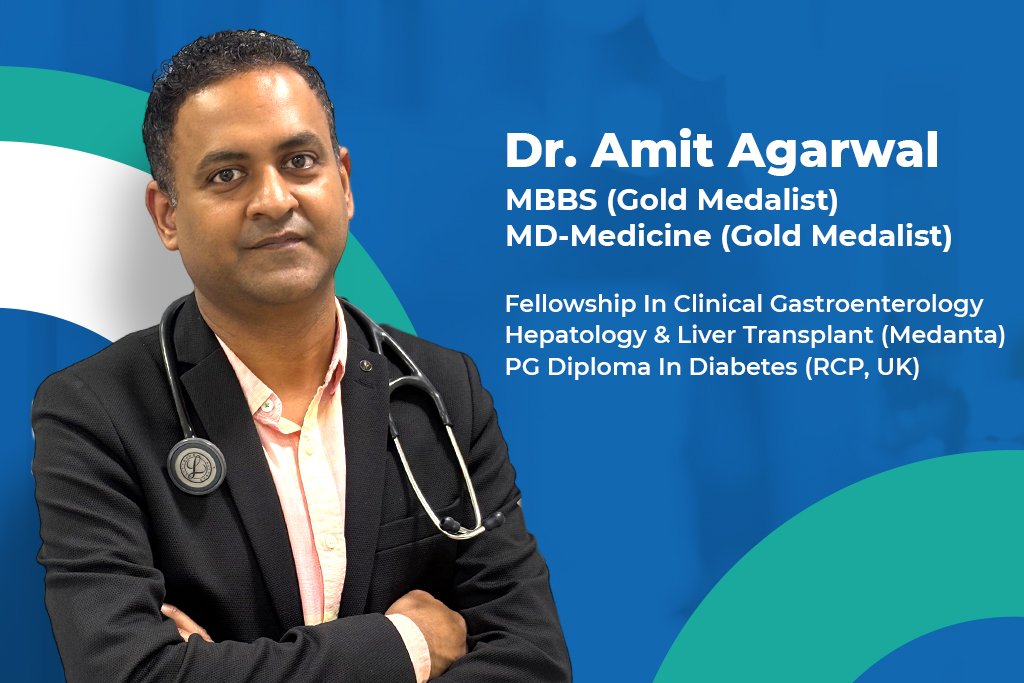
Dr. Amit Agarwal, with 10+ years and 15,000+ patients treated at Siliguri clinics, offers expert consultations for thyroid disorders emphasizing clear communication and continuity. Men experiencing thyroid disorder symptoms like fatigue, weight changes, or heart palpitations can get precise diagnosis and management. His approach covers hypothyroidism and hyperthyroidism with tailored plans.
Dr. Agarwal specializes in thyroid gland issues, diabetes, and liver conditions across multiple Siliguri locations. Patients with underactive thyroid symptoms such as constipation, dry skin, or erectile dysfunction benefit from his thorough evaluations. He focuses on thyroid hormones like thyroxine and triiodothyronine to address metabolism disruptions.
Consulting him starts with simple steps for effective care. Men notice improvements in overactive thyroid signs like nervousness, sweating, or tremors after following his advice. This ensures evidence-based treatment for conditions like Graves disease or Hashimoto thyroiditis.
- Book an appointment at his clinics in Siliguri Junction, Sevoke Road, or Matigara for convenient access.
- Prepare a symptom log noting fatigue, weight gain, cold intolerance, or muscle weakness over weeks.
- Expect a blood test for thyroid levels, followed by a personalized plan with medication or lifestyle changes.
One patient, a 45-year-old man with hypothyroidism symptoms like puffy face and hair loss, reversed his condition through consistent follow-ups. Regular monitoring adjusted his treatment, easing autoimmune disease effects. This real example shows the value of expert guidance in Siliguri for lasting thyroid health.

The Dr. Amit Agarwal Team is a dedicated group of healthcare professionals committed to delivering patient-centered medical care in Internal Medicine, with specialized focus on diabetes management and liver disease. Based in Siliguri, the team works collaboratively to provide comprehensive diagnostic services, evidence-based treatment protocols, and ongoing patient education. With a shared commitment to clinical excellence and compassionate care, the team supports Dr. Agarwal’s mission of improving long-term health outcomes through structured medical guidance and personalized treatment approaches.