
Are There Any Pre Hypertension Symptoms?
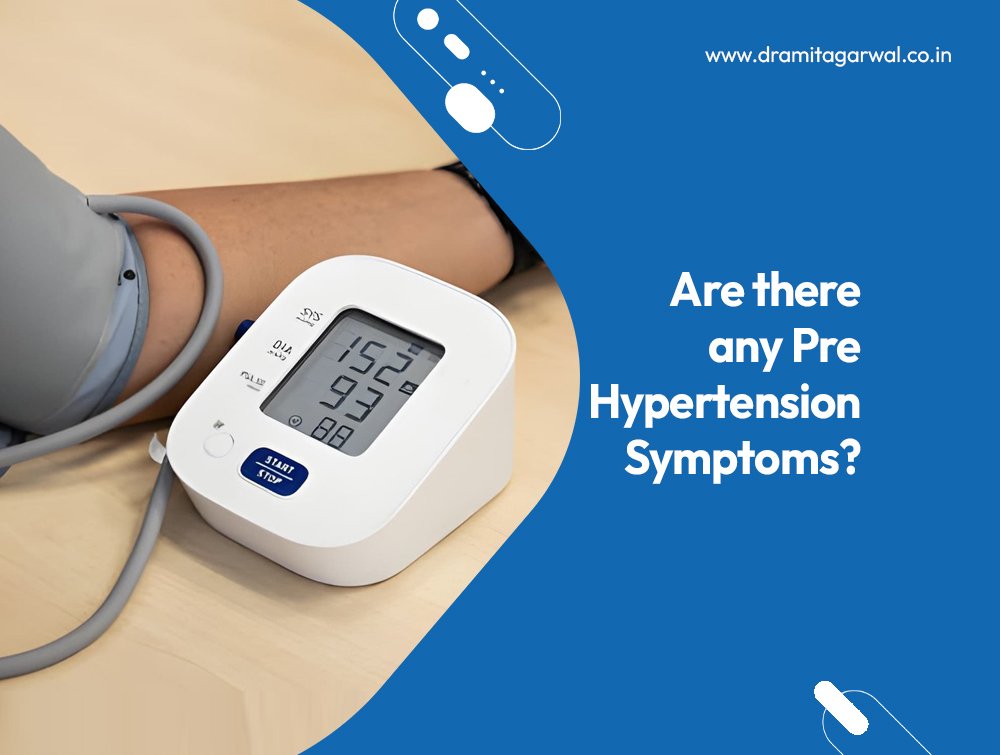
Pre-hypertension is a stage where blood pressure runs higher than normal – systolic 120-139 mmHg or diastolic 80-89 mmHg – but not yet in full hypertension territory. It signals a need for action to prevent heart risks, often without any clear warning signs.
To the question, are there any pre-hypertension symptoms? Most people notice none, earning it the label of a “silent” condition. Subtle clues like occasional headaches, dizziness, or fatigue may appear rarely, but they mimic everyday issues like stress or dehydration.
Risk factors such as family history, excess weight, high-sodium diets, inactivity, stress, smoking, or heavy alcohol use increase chances. Prevention focuses on lifestyle tweaks: a balanced diet low in salt, 30 minutes of daily exercise, weight management, and regular home monitoring using validated cuffs for accurate tracking.
Key Takeaways:
- Pre-hypertension typically has no noticeable symptoms, earning it the nickname “silent killer” as blood pressure rises without clear signs.
- Subtle indicators like occasional headaches, dizziness, or fatigue may occur but are unreliable for diagnosis; regular checks are essential.
- Monitor blood pressure routinely if you have risk factors like obesity or family history, as early detection prevents progression to hypertension.
What is Pre-Hypertension?
Pre-hypertension serves as an early warning stage where blood pressure levels are higher than normal but not yet in the hypertension range, offering a key window for preventive action. This condition signals increased cardiovascular risk without full-blown hypertension. Early awareness allows simple lifestyle changes to manage it effectively.
Pre-hypertension means your blood pressure readings fall between normal and high levels. It affects the heart and blood vessels over time if ignored. Recognizing it early helps prevent progression to hypertension.
Doctors use this term to highlight the need for action before symptoms appear. Common causes include poor diet, lack of exercise, and excess weight. Addressing these factors can lower readings naturally.
Since pre-hypertension often lacks obvious signs, routine checks answer questions like are there any pre hypertension symptoms? Monitoring at home enables better health management and reduces long-term risks.
Blood Pressure Ranges
Understanding specific blood pressure ranges helps identify pre-hypertension before it progresses. Normal blood pressure stays below 120/80 mmHg. Pre-hypertension ranges from 120-139 systolic over 80-89 diastolic mmHg, while hypertension starts at 140/90 mmHg or higher.
Systolic pressure measures force when the heart beats, the top number. Diastolic shows pressure between beats, the bottom number. Both matter for accurate assessment.
| Category | Systolic (mmHg) | Diastolic (mmHg) |
|---|---|---|
| Normal | Less than 120 | and Less than 80 |
| Pre-Hypertension | 120-139 | or 80-89 |
| Hypertension | 140 or higher | or 90 or higher |
Measure blood pressure after resting for five minutes, arm at heart level. Use a validated monitor for reliable results. Track readings over time to spot trends.
These ranges guide when to act on potential pre hypertension symptoms. Consult a doctor if readings consistently hit pre-hypertension levels. Lifestyle tweaks like more walking and less salt often help.
Are There Noticeable Symptoms?
Many wonder if pre-hypertension comes with clear warning signs, but the answer reveals why vigilance is essential. Pre-hypertension rarely causes noticeable symptoms, often called the silent condition. Most people experience no signs at all, which is why regular blood pressure checks matter for early detection.
Without obvious alerts, pre-hypertension can progress unnoticed to full hypertension. Experts recommend monitoring at home or during routine visits to catch rising readings early. This approach helps prevent complications before they arise.
Addressing the question, are there any pre hypertension symptoms? In most cases, no distinct symptoms appear. Lifestyle factors like diet and exercise play a key role in management, even without telltale signs.
Daily habits offer practical ways to stay proactive. Track your readings weekly, maintain a balanced diet, and stay active. These steps build awareness without relying on symptoms.
Common Myth vs. Reality
A widespread myth suggests pre-hypertension always brings obvious symptoms like severe headaches or nosebleeds. In reality, these signs rarely link directly to pre-hypertension. People often mistake them for everyday stress or fatigue.
Consider common examples where myths mislead. Someone might blame constant headaches on pre-hypertension, yet they stem from dehydration or tension. Nosebleeds, another popular belief, usually tie to dry air rather than blood pressure stages.
- Headaches: Often due to stress, not pre-hypertension.
- Nosebleeds: Typically from environmental factors or allergies.
- Dizziness: More likely low blood sugar or inner ear issues.
Reality emphasizes proactive checks over symptom hunting. Schedule regular blood pressure measurements to set realistic expectations. This myth-busting approach encourages vigilance without unnecessary worry, focusing on prevention through routine monitoring and healthy choices.
Why Pre-Hypertension is “Silent”
Pre-hypertension earns its ‘silent killer’ reputation because it typically unfolds without dramatic symptoms, allowing it to advance unnoticed. This condition develops gradually as blood pressure rises above normal levels but stays below hypertension thresholds. Most people experience no obvious pre hypertension symptoms, making routine checks essential.
Your blood vessels adapt slowly to higher pressure over time. This gradual change avoids triggering pain signals or discomfort that would alert you to a problem. Unlike sudden injuries, pre-hypertension lacks acute warnings like headaches or chest pain.
The silence of pre-hypertension hides its cumulative harm on the heart and arteries. Constant mild strain leads to long-term damage, such as thickened vessel walls and increased heart workload. Over years, this raises risks for full-blown hypertension and related issues.
Proactive monitoring stands as the best defense against this quiet threat. Track your blood pressure at home or during regular doctor visits. Lifestyle tweaks like reducing salt, exercising regularly, and managing stress can help keep levels in check before problems escalate.
Possible Subtle Indicators
While rare, some people notice faint clues that could hint at pre-hypertension, though these overlap with everyday issues. These possible subtle indicators are not diagnostic tools. They serve only to raise awareness and encourage professional checks for accurate blood pressure assessment.
Pre-hypertension, often called elevated blood pressure, lacks clear symptoms in most cases. Experts recommend monitoring if you spot patterns like unusual fatigue or headaches. Always consult a doctor to rule out other causes, as self-diagnosis leads to errors.
To track potential signs, keep a simple journal. Note when symptoms occur, what you ate, and your activity level. Pair this with home blood pressure readings for context before seeking medical advice.
- Log symptoms daily for patterns.
- Measure blood pressure at the same time each day.
- Discuss logs with a healthcare provider promptly.
Addressing Are There Any Pre Hypertension Symptoms? starts with caution. These hints prompt checkups, not worry. Early awareness supports lifestyle tweaks that benefit heart health overall.
Headaches and Dizziness
Frequent morning headaches or lightheadedness upon standing might feel like tension, but they can occasionally signal rising pressure. These throbbing headaches at dawn or brief dizziness may appear in sensitive people with pre-hypertension. They mimic stress or dehydration, so context matters.
Notice if headaches pulse in the temples or back of the head upon waking. Dizziness often hits when rising quickly from sitting. Track these with blood pressure readings to spot links.
- Record the time, intensity, and duration of each episode.
- Take blood pressure right after symptoms start.
- Share your log with a doctor if they persist over a week.
Avoid self-diagnosis with over-the-counter fixes. Persistent issues warrant a professional exam to check for pre-hypertension or other concerns. Hydration and rest help meanwhile, but do not replace medical input.
Fatigue and Mild Discomfort
Unexplained tiredness or vague chest tightness after minimal activity may point to early pressure elevations in sensitive individuals. This heaviness in limbs despite rest feels draining, even after sleep. It overlaps with poor diet or stress, requiring careful tracking.
Symptoms might include leg fatigue on short walks or subtle arm discomfort. They fade with rest but return easily. Start by logging activity alongside feelings.
- Track daily energy levels and tasks completed.
- Check hydration and sleep quality first.
- Note any chest sensations, no matter how mild.
Risk Factors to Watch
Certain lifestyle and genetic factors heighten pre-hypertension risk, making personal assessment crucial for early intervention. Pre-hypertension often shows no obvious symptoms, so spotting these risks helps prevent progression to high blood pressure. Watch for common triggers to take control early.
Family history plays a key role if close relatives have hypertension. Excess weight strains the heart, raising pressure over time. A high-sodium diet from processed foods adds to the burden.
Inactivity weakens cardiovascular health, while chronic stress keeps blood vessels tense. Smoking damages arteries, and excessive alcohol intake disrupts blood pressure balance. Addressing these lowers your risk effectively.
Key Risk Factors List
Understanding specific risks answers the question, are there any pre hypertension symptoms? While symptoms are rare, these factors signal potential issues. Experts recommend monitoring them closely for prevention.
- Family history of hypertension increases genetic susceptibility.
- Excess weight, especially around the waist, burdens the circulatory system.
- High-sodium diet from salty snacks and fast food retains fluid.
- Physical inactivity reduces heart efficiency.
- Chronic stress elevates pressure through hormone release.
- Smoking harms blood vessel linings.
- Excessive alcohol more than moderate amounts spikes readings.
Self-Assessment Checklist
Use this simple checklist to evaluate your risks. Check items that apply to you, then prioritize changes. It promotes early action when pre-hypertension symptoms are absent.
| Risk Factor | Do I Have It? | Actionable Reduction |
|---|---|---|
| Family history | Yes/No | Track family health records. |
| Excess weight | Yes/No | Practice portion control, aim for balanced meals. |
| High-sodium diet | Yes/No | Choose fresh foods, read labels for salt. |
| Inactivity | Yes/No | Walk 30 minutes daily. |
| Chronic stress | Yes/No | Try deep breathing or meditation. |
| Smoking | Yes/No | Seek quit support programs. |
| Excessive alcohol | Yes/No | Limit to one drink per day. |
Review your checks weekly. Small steps like these reduce risks and support heart health without waiting for symptoms. However do consult with Dr. Amit Agarwal, a well known medicine doctor in Siliguri.
Differences from Full Hypertension
Pre-hypertension differs from full hypertension in severity, symptoms, and urgency of treatment, yet both demand attention. Pre-hypertension often shows subtle or no symptoms, while full hypertension brings more noticeable signs. Understanding these differences helps in early action to prevent progression.
Key distinctions lie in blood pressure ranges and health impacts. Pre-hypertension signals an elevated risk before crossing into hypertension territory. Full hypertension, however, indicates sustained high pressure that requires immediate management.
| Aspect | Pre-Hypertension | Full Hypertension |
|---|---|---|
| Blood Pressure Ranges | Systolic 120-139 mmHg or diastolic 80-89 mmHg | Systolic 140+ mmHg or diastolic 90+ mmHg |
| Symptom Likelihood | Subtle or absent, like mild headaches or fatigue | Pronounced, such as severe headaches, nosebleeds, or vision issues |
| Damage Potential | Reversible with lifestyle changes | Established, risking heart disease or stroke |
| Management | Lifestyle focus: diet, exercise, weight control | Often medication plus lifestyle adjustments |
The progression path from pre-hypertension to full hypertension is common without intervention. Experts recommend monitoring and adopting habits like reducing salt intake or walking daily. Addressing “Are There Any Pre Hypertension Symptoms?” early spots these subtle cues before they worsen.
When to Monitor Blood Pressure
Regular monitoring uncovers pre-hypertension early, especially if risks are present or subtle signs appear. Track blood pressure at home daily if you have risk factors like family history or excess weight. Otherwise, check annually during routine visits to catch changes before they worsen.
Experts recommend validated home cuffs for accurate readings. These devices match professional tools and help spot trends related to pre-hypertension symptoms. Consistency in measurement builds reliable data over time.
- Sit calmly for five minutes before starting, with feet flat and back supported.
- Position your arm at heart level on a table, sleeve rolled up.
- Take 2-3 readings, one minute apart, and average them for the true value.
- Record results with date and time to share with your doctor.
Seek immediate care for sudden spikes above severe levels or with symptoms like chest pain. Consult with Dr. Amit Agarwal, for Hypertension and related diseases today.
Prevention and Lifestyle Changes
Simple, sustainable lifestyle shifts can prevent or reverse pre-hypertension, enableing you to take control of your health. These changes address pre hypertension symptoms like mild headaches or fatigue by stabilizing blood pressure early. Experts recommend starting with small, daily habits for lasting results.
Focus on balanced eating, regular movement, and stress reduction to lower risks. Track your blood pressure weekly at home to monitor progress. These steps often show improvements within weeks when followed consistently.
Combine diet tweaks with exercise for the best outcomes. Aim for gradual changes to build habits that stick. Quitting smoking and limiting alcohol also play key roles in prevention.
- Adopt a heart-healthy diet rich in whole foods.
- Engage in at least 30 minutes of activity most days.
- Manage weight through portion control and mindful eating.
- Prioritize sleep and relaxation techniques daily.
Diet and Exercise Tips
Targeted diet and exercise adjustments lower blood pressure naturally, often showing results in weeks. These habits help manage pre hypertension symptoms without medication. Start by focusing on fresh foods and steady activity.
Follow DASH-inspired eating with more fruits, vegetables, and potassium-rich foods like bananas and spinach. Cut back on salt to under 2,300 milligrams daily by reading labels and cooking at home. Swap processed snacks for nuts or yogurt.
- Walk briskly for 30 minutes daily, five days a week.
- Warm up with light stretches to avoid injury.
- Add strength training twice weekly, like bodyweight squats.
- Track steps or distance with a simple journal.
Avoid common pitfalls like skipping warm-ups or over-relying on salty takeout. Review progress weekly by noting energy levels and blood pressure readings. Consistency turns these tips into long-term blood pressure control.
Frequently Asked Questions
What Makes Pre Hypertension Hard to Detect Without Symptoms?
Unlike hypertension, where severe cases might cause headaches or dizziness, are there any pre hypertension symptoms are typically absent. This lack of warning signs emphasizes the importance of routine screenings, as blood pressure readings between 120-129 systolic and less than 80 diastolic indicate pre-hypertension without obvious alerts.
Can Lifestyle Factors Mimic Are There Any Pre Hypertension Symptoms?
While true are there any pre hypertension symptoms are rare, some people might attribute general fatigue or mild headaches to pre-hypertension. However, these are usually linked to other causes like stress or dehydration, not directly to pre-hypertension, highlighting the need for professional blood pressure monitoring.
Is It Possible to Have Subtle Are There Any Pre Hypertension Symptoms?
In rare instances, individuals might notice subtle changes like occasional nosebleeds or slight vision blurriness, but these are not definitive are there any pre hypertension symptoms. Medical experts agree that pre-hypertension is largely asymptomatic, urging proactive lifestyle changes and check-ups instead of relying on self-diagnosis.
How Do I Know If I Have Pre Hypertension Without Obvious Symptoms?
Since are there any pre hypertension symptoms are generally not present, the only reliable way to identify it is through regular blood pressure measurements at home or during doctor visits. Aim for readings under 120/80 to stay out of the pre-hypertension range and prevent escalation.
What Should I Do If Concerned About Are There Any Pre Hypertension Symptoms?
Even without clear are there any pre hypertension symptoms, consult a healthcare provider for accurate assessment. Focus on a heart-healthy diet, exercise, and weight management to reverse pre-hypertension, as early intervention can significantly lower risks without waiting for symptoms to appear.

The Dr. Amit Agarwal Team is a dedicated group of healthcare professionals committed to delivering patient-centered medical care in Internal Medicine, with specialized focus on diabetes management and liver disease. Based in Siliguri, the team works collaboratively to provide comprehensive diagnostic services, evidence-based treatment protocols, and ongoing patient education. With a shared commitment to clinical excellence and compassionate care, the team supports Dr. Agarwal’s mission of improving long-term health outcomes through structured medical guidance and personalized treatment approaches.