
Which Hepatitis is Called Jaundice
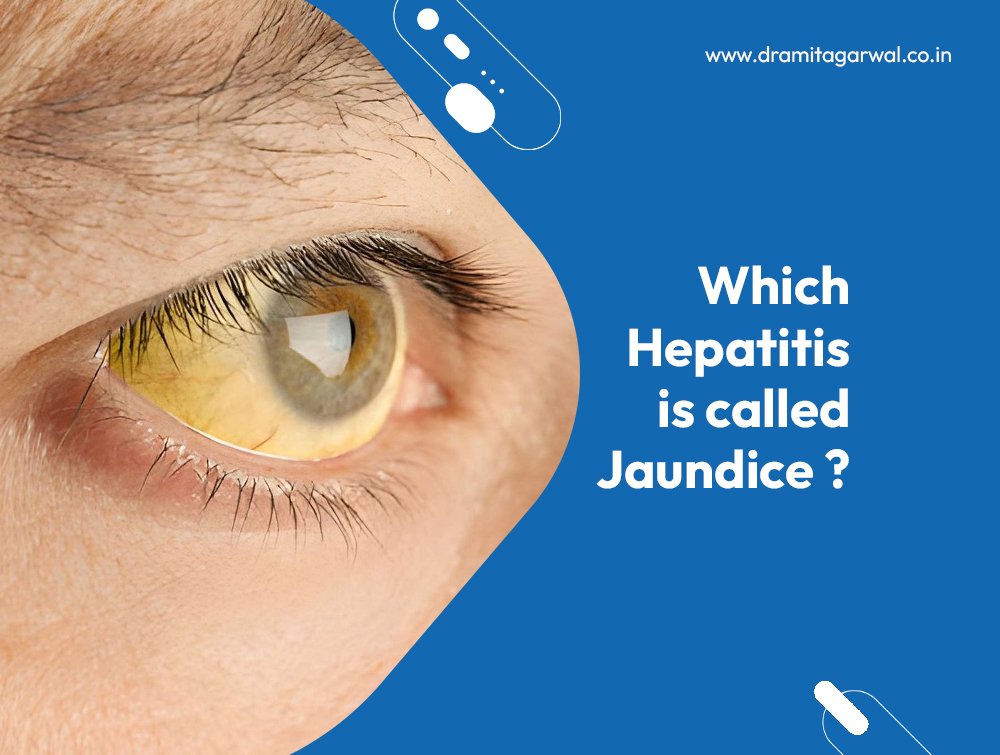
Hepatitis and jaundice often appear together because liver inflammation disrupts the body’s processing of bilirubin, leading to yellowing of the skin and eyes. Several types of viral hepatitis can trigger this symptom, each spreading through different routes such as contaminated food, blood exposure, or sexual contact. Recognizing jaundice early can help prompt testing and care before liver damage advances.
This article covers how jaundice relates to the main types of hepatitis, including hepatitis A, B, and C. It also explores the differences between acute and chronic infections, along with steps for diagnosis, treatment, and prevention. Understanding these connections supports early recognition and informed decisions about liver health.
Introduction to Hepatitis and Jaundice
Hepatitis and jaundice often appear together because liver inflammation interferes with how the body processes bilirubin. A person might notice yellowing in their skin or the whites of their eyes after feeling unusually tired for several days. This visible change can signal that the liver is struggling with a viral infection.
Multiple types of hepatitis virus can trigger this yellowing effect. Hepatitis A spreads through contaminated food or water while hepatitis B and hepatitis C often pass through blood exposure or sexual contact. Each one can lead to liver inflammation that blocks normal bilirubin processing.
Understanding the connection between these viruses and jaundice symptoms matters for early recognition. Spotting the yellowing early helps people seek testing and care before liver damage advances. Quick action can prevent more serious complications from developing over time.
Recognizing these signs also supports better hepatitis prevention in daily life. Simple steps like using safe water and practicing good hygiene reduce exposure risk. Staying informed about hepatitis transmission routes helps protect both individuals and communities from outbreaks.
Definition and Overview of Jaundice
Jaundice occurs when bilirubin builds up in the blood and tissues, creating a yellow appearance in the skin and eyes. The liver normally processes bilirubin, a byproduct of broken down red blood cells. This substance then moves through bile ducts into the digestive system for elimination.
The body handles bilirubin in three main steps. First, old red blood cells release the pigment. Next, the liver converts it into a water soluble form. Finally, it exits through the intestines as waste.
Common signs include dark urine, pale stools, and persistent itching. These changes happen when bilirubin levels rise beyond normal ranges. Patients may notice yellowing first in the whites of the eyes.
Jaundice itself is a symptom, not a disease. Identifying the underlying cause is essential for proper care. Liver inflammation from viral hepatitis often triggers this visible change.
Types of Hepatitis Overview
Different hepatitis viruses behave in distinct ways, from short-lived infections to lifelong conditions. Each type spreads through specific routes and affects the liver differently. Understanding these variations helps with proper diagnosis and care.
Viral hepatitis includes several distinct forms that cause liver inflammation. Hepatitis A spreads mainly through contaminated food or water while hepatitis E follows similar patterns. Both typically resolve without lasting effects in most cases.
| Type | Transmission Route | Typical Duration | Vaccine Availability |
|---|---|---|---|
| Hepatitis A | Food contamination, poor sanitation | Short term, resolves alone | Yes, hepatitis A vaccine |
| Hepatitis B | Blood exposure, sexual contact, body fluids | Can become chronic infection | Yes, hepatitis B vaccine |
| Hepatitis C | Needle sharing, blood exposure | Often leads to chronic hepatitis | No vaccine available |
| Hepatitis D | Blood exposure, requires hepatitis B | Usually becomes chronic | Through hepatitis B vaccine |
| Hepatitis E | Contaminated water, food | Short term, resolves alone | No routine vaccine |
Hepatitis A and E usually resolve on their own while B, C, and D can become chronic. Hepatitis B vaccine provides protection against both hepatitis B and hepatitis D. Safe water and good hygiene reduce exposure risks for hepatitis A and E.
People with acute hepatitis may experience jaundice symptoms such as yellowing skin and fatigue. Those curious about the technical implementation might appreciate our guide on how hepatitis B and C affect the liver for deeper insight. Chronic hepatitis increases risks of liver damage and liver failure over time. Regular testing helps with early hepatitis diagnosis and better outcomes.
Hepatitis A and Jaundice Connection
Hepatitis A spreads through contaminated food or water and often produces noticeable jaundice during the acute phase. This virus causes sudden illness rather than long term infection. Jaundice signals the immune response is actively clearing the virus from the body.
Hepatitis A triggers liver inflammation that leads to yellowing of the skin and eyes. The appearance of jaundice marks a turning point in the illness. Most people recover fully once the immune system finishes its work.
The hepatitis A vaccine offers strong protection for travelers and communities with sanitation challenges. Vaccination prevents infection before exposure occurs. Experts recommend this vaccine before trips to regions with limited clean water access.
Unlike chronic hepatitis forms such as hepatitis B or hepatitis C, hepatitis A does not lead to ongoing liver damage. The illness runs its course within weeks or months. Complete recovery remains the typical outcome for most cases.
Symptoms and Presentation
People with Hepatitis A typically experience fatigue, nausea, and abdominal discomfort before yellowing appears. These early flu like symptoms often resemble common viral infections. Recognition of this pattern helps with timely diagnosis and care.
The sequence continues with dark urine followed by visible jaundice. Yellowing develops as bilirubin builds up in the blood. This progression usually occurs within days after initial symptoms start.
Children may have milder or no jaundice while adults often experience more pronounced yellowing. Age affects how the body displays hepatitis symptoms. Tracking symptom onset helps healthcare providers time testing appropriately.
Monitoring changes in energy levels and urine color provides useful information. Early detection supports proper management of the acute hepatitis phase. Most cases resolve without lasting liver complications.
Transmission and Risk Factors
Close contact or consuming contaminated food and water are the main ways Hepatitis A passes between people. The virus spreads through the fecal oral route. Poor sanitation increases risk in certain environments and settings.
Situations that raise exposure risk include international travel, caring for an infected household member, and eating undercooked shellfish. Food contamination remains a common source during outbreaks. Hepatitis transmission occurs easily in crowded conditions with limited hygiene resources.
Practical steps include thorough handwashing and ensuring drinking water safety when visiting areas with limited sanitation infrastructure. These habits reduce contact with the virus. Safe water practices protect entire communities from infection.
Unlike hepatitis B or hepatitis C, hepatitis A does not spread through sexual contact or needle sharing. Understanding these differences guides proper prevention measures. Focus on hygiene and vaccination provides the best defense.
Hepatitis B and Jaundice Connection
First sentence: Hepatitis B can cause jaundice during both the initial infection and later flare-ups in people with chronic infection. The virus spreads through blood and certain body fluids during exposure events such as needle sharing or sexual contact.
Jaundice appears when bilirubin builds up because the liver struggles with inflammation. This symptom signals either the acute clearance phase or immune system reactivation years later in chronic cases. Blood exposure remains the main transmission route for this form of viral hepatitis.
The hepatitis B vaccine serves as the primary prevention tool. Experts recommend vaccination for newborns and high-risk adults who may encounter blood or body fluids. Vaccine prevention protects against future complications including liver damage and liver cancer.
Chronic infection requires ongoing attention because the virus can remain hidden for decades. Regular testing helps detect changes before serious issues develop. Early diagnosis supports better outcomes and reduces hepatitis risk over time, particularly when understanding how hepatitis B affects the liver at a deeper level.
Acute vs Chronic Jaundice
First sentence: Jaundice in acute Hepatitis B often resolves as the immune system clears the virus, whereas chronic cases may experience repeated episodes. Acute jaundice typically appears two to three months after exposure and fades within weeks as recovery progresses.
In contrast, chronic infection allows liver inflammation to persist silently. A flare can trigger another bout of yellowing without obvious warning signs. Patients with this pattern need consistent monitoring to catch complications early.
Anyone diagnosed with chronic Hepatitis B should schedule regular liver function checks. These tests track inflammation levels and help guide treatment decisions. Monitoring also reduces the chance of progression to liver failure.
Both acute and chronic forms benefit from medical supervision and lifestyle adjustments. Avoiding alcohol and maintaining a healthy diet support liver recovery. Patients should discuss vaccination status and testing needs with their healthcare provider.
Hepatitis C and Jaundice Connection
Hepatitis C rarely produces obvious jaundice in its early stages, but yellowing can appear when significant liver damage develops. Most new infections remain silent without clear signs. Testing becomes essential after any potential blood exposure.
Chronic hepatitis can progress quietly over years. Experts recommend discussing testing with a healthcare provider when risk factors exist. Early detection helps prevent complications.
Modern antiviral treatments can cure the infection. This reduces the chance of progression to cirrhosis and later jaundice. Successful therapy also lowers risks of liver damage and liver failure.
People with a history of needle sharing or blood exposure face higher hepatitis C risk. A simple blood test confirms diagnosis. Treatment works best when started before advanced liver disease appears (our guide on how hepatitis B and C affect the liver explains the progression in detail).
Other Hepatitis Types and Jaundice
Hepatitis D only occurs alongside Hepatitis B, while Hepatitis E behaves similarly to Hepatitis A in most cases. These additional viral infections create distinct patterns of liver inflammation that may progress to noticeable jaundice symptoms.
Hepatitis D requires the presence of Hepatitis B to replicate inside the body. When both viruses combine together they can accelerate liver damage in people already living with chronic hepatitis. This dual infection sometimes leads to earlier jaundice as liver cells break down faster than with Hepatitis B alone.
Hepatitis E spreads through contaminated food or water in regions with poor sanitation. Most cases remain self-limiting with full recovery occurring within weeks. However pregnant individuals face higher risk of severe illness including fulminant hepatitis that may require medical intervention beyond standard care.
Both conditions demonstrate how different hepatitis virus strains interact with existing liver disease. People exposed to multiple hepatitis types should seek hepatitis testing to detect complications early through proper hepatitis diagnosis and monitoring.
Diagnosis and Testing
Blood tests can identify which hepatitis virus is present and whether the infection is recent or longstanding. Doctors start with basic liver enzyme measurements to detect liver inflammation. These initial results guide further specific testing.
Next comes targeted antibody testing. IgM antibodies point to recent hepatitis A infection. Other markers help distinguish between hepatitis B and hepatitis C exposure.
PCR testing follows when viral load assessment is needed. This method detects active replication of hepatitis B or hepatitis C. Results help determine if treatment should begin right away.
Additional steps like imaging or liver biopsy may occur if chronic damage is suspected. Discuss the expected timeline for results with the ordering clinician. This conversation clarifies when follow-up appointments should happen.
Treatment and Management
Treatment choices depend on the hepatitis type and whether the infection has become chronic. Acute cases of hepatitis a and hepatitis e usually resolve without specific medication.
Supportive care focuses on allowing the body to fight off viral hepatitis naturally. Patients benefit from adequate rest and proper fluid intake during the recovery phase.
Chronic hepatitis b and hepatitis c require different approaches. Antiviral medications can suppress viral activity or eliminate the infection over time in many patients.
Advanced liver damage sometimes leads to liver failure. Medical teams may evaluate patients for liver transplant when other treatments prove insufficient. Avoiding alcohol and certain medications supports liver recovery throughout any treatment course.

The Dr. Amit Agarwal Team is a dedicated group of healthcare professionals committed to delivering patient-centered medical care in Internal Medicine, with specialized focus on diabetes management and liver disease. Based in Siliguri, the team works collaboratively to provide comprehensive diagnostic services, evidence-based treatment protocols, and ongoing patient education. With a shared commitment to clinical excellence and compassionate care, the team supports Dr. Agarwal’s mission of improving long-term health outcomes through structured medical guidance and personalized treatment approaches.