
Diabetes Skin Rash
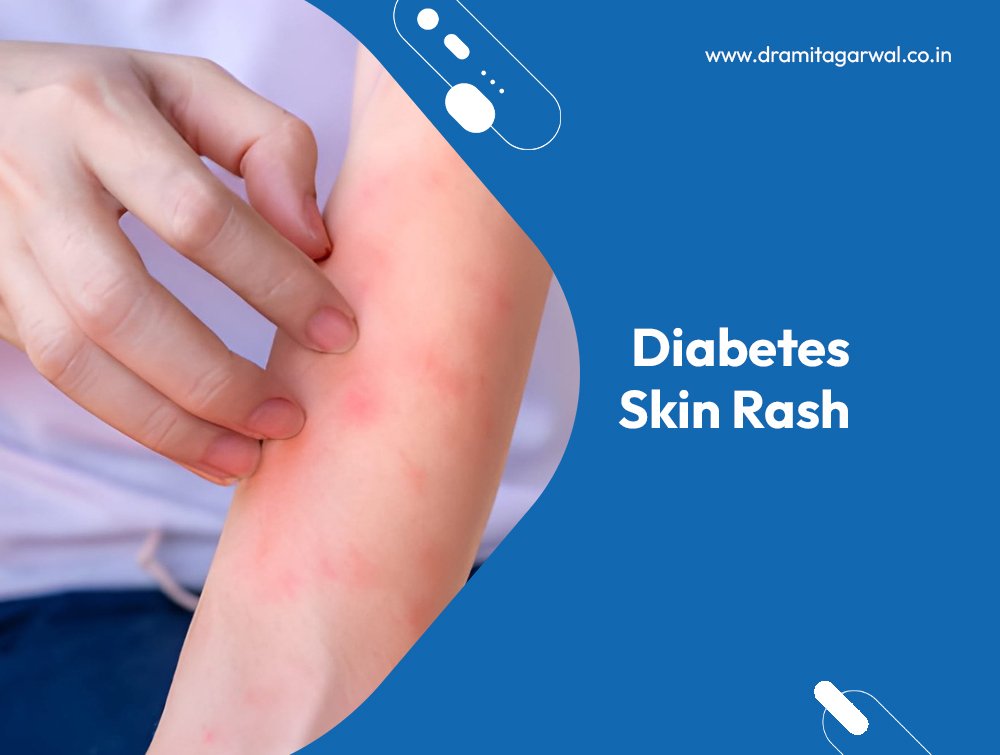
Diabetes can significantly affect skin health, often leading to visible rashes and other conditions. High blood sugar damages blood vessels and nerves over time, making the skin more vulnerable to changes that may signal the need for better management.
Common diabetes-related skin issues include diabetic dermopathy (shin spots), necrobiosis lipoidica, and diabetic blisters. These conditions vary in appearance and location, and recognizing their signs can support earlier detection and care.
Consistent blood sugar control, daily skin checks, and proper moisturizing help reduce the risk of complications. Consulting a healthcare provider is essential for accurate diagnosis and appropriate treatment when skin changes appear.
Types of Diabetes-Related Skin Rashes
Diabetes affects skin health in distinct ways, and recognizing the different types of rashes helps with proper identification and care. High blood sugar levels damage blood vessels and nerves over time, creating visible changes on the surface. These skin conditions often serve as early warning signs that blood sugar needs better management.
Diabetic skin rashes vary in appearance, location, and severity, making accurate identification important. Some rashes develop slowly while others appear suddenly without warning. Understanding their unique traits supports faster recognition and appropriate responses from healthcare providers.
Common diabetes-related skin conditions include diabetic dermopathy, necrobiosis lipoidica, and diabetic blisters. Each presents with specific visual markers that set them apart from regular skin issues. Early awareness of these patterns helps people seek timely evaluation when changes appear.
Proper blood sugar control remains the foundation for preventing many of these skin problems. Regular skin checks combined with medical guidance reduce complications and support better overall outcomes. Consultation with healthcare professionals ensures accurate diagnosis and suitable treatment approaches.
Diabetic Dermopathy
Diabetic dermopathy appears as small, round or oval patches that develop on the shins and other areas with less circulation. These light brown, scaly patches are often called shin spots and result from changes in small blood vessels. The condition develops gradually and rarely causes discomfort or itching.
Shin spots typically measure a few centimeters across and may appear in clusters on the front of the lower legs. Reduced blood flow from long-term high blood sugar contributes to their formation and persistence. The patches usually fade over months without leaving scars or requiring specific medical intervention.
Though diabetic dermopathy needs no direct treatment, its presence indicates that blood sugar management requires attention. Healthcare providers may recommend monitoring circulation and checking for other signs of diabetes-related complications. Maintaining stable glucose levels helps prevent additional spots from forming.
People noticing these changes should discuss them during routine medical visits for comprehensive evaluation. Protecting the skin from injury supports healing and reduces infection risk in areas with poor circulation. Consistent foot and leg care routines benefit overall skin health in diabetes management.
Diabetes type 1 vs type 2: What you need to know
Necrobiosis Lipoidica
Necrobiosis lipoidica creates larger, distinctive patches that often begin as small red bumps and evolve into yellowish, shiny areas with visible blood vessels. The progression from red papules to atrophic plaques with a violet border occurs over several weeks or months. These patches commonly appear on the shins but can develop elsewhere on the body.
Atrophic plaques thin the skin and increase vulnerability to injury and ulceration in affected areas. The violet border surrounds yellowish centers where blood vessels become more noticeable through the surface. Ulceration risk rises when these plaques experience trauma or remain untreated for extended periods.
Consulting a dermatologist supports proper monitoring and early intervention for wound prevention strategies. Medical evaluation helps distinguish necrobiosis lipoidica from similar skin conditions that require different approaches. Treatment may involve topical medications or other therapies based on individual presentation and progression.
Protecting these patches from knocks and scratches reduces the chance of open sores developing. Blood sugar control plays a role in limiting further skin damage and supporting tissue integrity. Regular professional assessment ensures timely adjustments to care plans when needed.
Diabetic Blisters (Bullosis Diabeticorum)
Diabetic blisters form spontaneously on hands, feet, legs, or forearms without pain or redness in many cases. These blisters resemble burn blisters but develop without heat exposure or known injury. Neuropathy often prevents sensation, allowing the blisters to grow unnoticed until visually detected.
Bullosis diabeticorum typically heals on its own within several weeks when blood sugar remains controlled throughout the process. The fluid-filled areas require protection from infection while the skin regenerates naturally. Keeping the surrounding area clean and covered supports uncomplicated recovery.
People with neuropathy benefit from daily visual skin inspections to catch blisters early before complications arise. Avoiding tight footwear and rough surfaces helps prevent additional trauma to vulnerable areas. Prompt medical attention becomes necessary if signs of infection appear around any blister site.
Stable glucose levels contribute to faster healing and lower recurrence rates for diabetic blisters. Healthcare providers may recommend specific wound care products or protective dressings during the recovery period. Ongoing monitoring helps identify patterns and supports preventive strategies for future episodes.
Side Effects Of High Blood Sugar
Causes and Risk Factors
Several interconnected factors increase the likelihood of developing diabetes-related skin conditions. Prolonged high blood sugar damages both nerves and blood vessels over time. This process directly affects how the skin functions and repairs itself.
Insulin resistance plays a major role by slowing normal skin cell turnover. When cells do not regenerate efficiently, rashes and other visible changes become more common. People with type 2 diabetes often experience this effect alongside obesity and metabolic changes.
Reduced circulation impairs healing and limits nutrient delivery to the skin surface. Poor blood flow leaves tissues more vulnerable to infections and slow wound recovery. Long-standing diabetes combined with poor glycemic control amplifies these risks significantly.
Experts recommend regular skin checks for anyone managing diabetes. Early detection of changes such as shin spots or digital sclerosis helps prevent complications. Maintaining stable blood sugar levels remains the most practical step for protecting skin health overall.
Symptoms and Identification
Recognizing early signs allows for quicker response and better outcomes. People with diabetes often notice distinct changes on their skin that signal fluctuating blood sugar levels. These visible markers help identify when high blood sugar affects skin health.
Visible changes appear in several forms. Color shifts include dark patches in skin folds known as acanthosis nigricans. Texture changes show up as thickened areas or shiny spots on the shins called diabetic dermopathy. Location matters, with yellowish deposits around the eyes forming xanthelasma and ring-like patches indicating granuloma annulare.
Sensation changes accompany many skin conditions. Itching and burning sensations often signal yeast infections or fungal issues in warm areas. Numbness develops when nerves suffer damage from prolonged high blood sugar. Some people experience tingling before blisters form in bullosis diabeticorum.
Associated conditions frequently appear together. Skin tags develop in areas of insulin resistance. Eruptive xanthomatosis creates small yellowish bumps when triglycerides rise. Necrobiosis lipoidica produces reddish-brown plaques on the lower legs. These patterns help connect skin symptoms with underlying diabetes management needs.
Diagnosis Methods
Healthcare providers use a combination of visual examination and patient history to identify diabetes-related skin issues. A primary care physician or dermatologist begins by looking at the appearance, location, and pattern of any rash or lesion. They also ask about recent changes in blood sugar levels and ongoing diabetes management.
Visual inspection reveals common patterns such as shin spots or thickened skin patches. Providers note the color, texture, and distribution of affected areas. They compare these findings against typical presentations of diabetic dermopathy, acanthosis nigricans, and other skin conditions linked to high blood sugar.
Next comes a review of diabetes history and current blood sugar control. The doctor asks about the duration of diabetes, recent hemoglobin A1C results, and any episodes of hyperglycemia. They also check for related factors such as obesity, insulin resistance, or high cholesterol that often accompany type 2 diabetes.
A skin biopsy may be needed when the rash resembles other conditions. This step helps rule out granuloma annulare or necrobiosis lipoidica, which can appear similar at first glance. The tissue sample confirms whether the changes stem from blood vessel damage, nerve involvement, or another underlying process.
Treatment Options
Managing diabetes-related skin conditions combines medical interventions with daily care routines. Effective approaches address both immediate symptoms and underlying causes through targeted treatments and consistent habits.
Prescription options focus on infections and healing support. Lifestyle adjustments help maintain skin barrier function and prevent new issues from developing over time.
Most patients benefit from combining both approaches. Medical treatments resolve active problems while home strategies reduce recurrence risk and support long-term skin health.
Working with healthcare providers ensures treatments match specific skin conditions. Regular monitoring helps adjust approaches as blood sugar levels change and skin responds to therapy.
Medical Treatments
Prescription treatments target infections and support healing when needed. Antibiotics address staphylococcus and other bacterial infections that commonly affect diabetic skin. Antifungal medications treat Candida albicans overgrowth and conditions like athletes foot or ringworm.
Diabetic ulcers require specialized wound care involving cleaning protocols and protective dressings. These approaches prevent complications and promote proper healing in areas affected by poor circulation.
Diabetic dermopathy and necrobiosis lipoidica often improve with better glycemic control. These conditions respond more to consistent blood sugar management than specific medications alone.
Healthcare providers may prescribe creams containing urea or other active ingredients for severe dry skin. Treatment plans vary based on the specific rash type and individual patient factors.
Home Care and Prevention
Daily habits protect skin integrity and reduce flare-ups. A consistent routine helps maintain the skin barrier and prevents many diabetes-related skin issues from developing.
Apply fragrance-free moisturizers containing ceramides or urea immediately after bathing. These products lock in moisture while supporting natural skin barrier function. Use a humidifier in dry environments to maintain adequate air moisture levels.
Avoid hot showers and pat skin dry gently instead of rubbing. Daily foot inspection helps identify cuts or blisters early. Consistent blood sugar monitoring prevents new lesions from forming due to hyperglycemia.
Choose emollient-rich products that avoid irritating fragrances and dyes. These practices work alongside medical care to support overall skin health in people managing diabetes.
When to See a Doctor
Certain warning signs require prompt medical attention to prevent complications. People with diabetes face higher risks when skin conditions worsen quickly. Early evaluation helps protect against serious outcomes.
Open sores or ulcers that show no improvement after seven days need professional care. Diabetic ulcers can deepen without treatment. Delaying care allows infection to spread through affected tissue.
Watch for signs of infection including increasing redness, warmth, pus, or fever. These signals indicate bacteria such as staphylococcus may be present. Prompt antibiotics can stop progression before deeper damage occurs.
Blisters that break and expose raw skin also demand attention. Bullosis diabeticorum creates fragile areas that heal slowly under high blood sugar. Exposed skin raises the chance of bacterial or fungal infections taking hold.
Changes in foot sensation that make it difficult to detect injuries require evaluation. Neuropathy reduces pain signals, allowing small cuts to go unnoticed. Regular checks help prevent ulcers from forming unnoticed on the feet.
Complications if Untreated
Ignoring skin changes can lead to more serious health issues over time. Small breaks in the skin surface may progress into deeper tissue damage. This progression happens gradually when high blood sugar levels remain uncontrolled.
Minor skin breakdown starts as surface irritation from a diabetic rash. Over time untreated areas develop open wounds that extend below the outer layers. Diabetic ulcers form when damaged tissue fails to heal properly.
Compromised circulation allows bacterial infection to spread more easily through affected areas. Blood vessels narrowed by prolonged hyperglycemia deliver fewer immune cells to fight invading pathogens. This slow process increases the chance of deeper tissue involvement.
People with neuropathy face higher risk of foot complications because they cannot feel developing problems. Numbness prevents early detection of pressure points or friction injuries. Regular skin checks become essential when sensation decreases in the feet and lower legs.

The Dr. Amit Agarwal Team is a dedicated group of healthcare professionals committed to delivering patient-centered medical care in Internal Medicine, with specialized focus on diabetes management and liver disease. Based in Siliguri, the team works collaboratively to provide comprehensive diagnostic services, evidence-based treatment protocols, and ongoing patient education. With a shared commitment to clinical excellence and compassionate care, the team supports Dr. Agarwal’s mission of improving long-term health outcomes through structured medical guidance and personalized treatment approaches.