
Low Glucose Symptoms
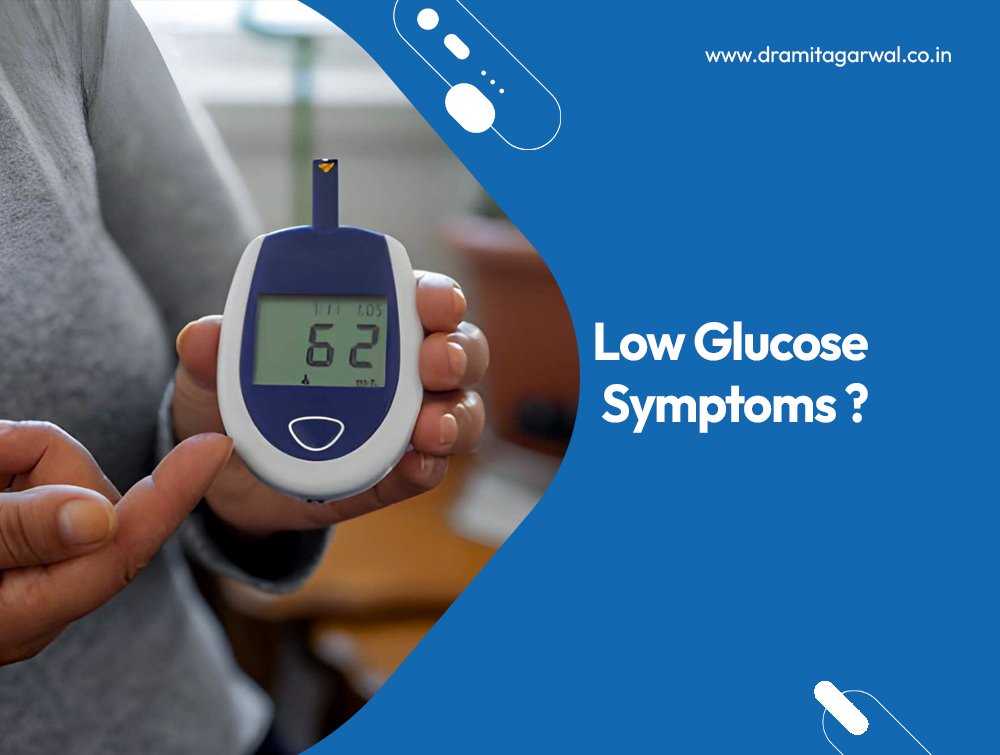
Low glucose, or hypoglycemia, occurs when blood sugar drops below normal levels, typically under 70 mg/dL, disrupting energy supply to the body and brain. Common low glucose symptoms include shakiness, sweating, confusion, dizziness, hunger, and irritability, often signaling the need for quick action like consuming fast-acting carbs.
Early physical signs such as tremors, clamminess, and fatigue serve as initial warnings, while neurological effects like cognitive fog or balance issues indicate escalating hypoglycemia. Severe symptoms, including seizures or unconsciousness, require immediate emergency response, such as glucagon or calling 911.
Recognizing patterns in low blood glucose symptoms helps manage episodes effectively, especially for those with diabetes. Always test blood sugar promptly, follow the 15-15 rule (15g carbs, recheck in 15 minutes), and consult a doctor for personalized prevention strategies.
Key Takeaways:
- Early low glucose symptoms include shakiness, tremors, sweating, and clamminess-act quickly by consuming fast-acting carbs like juice.
- Neurological signs such as confusion, irritability, dizziness, and lightheadedness signal worsening hypoglycemia; check blood sugar immediately.
- Severe symptoms like seizures, unconsciousness, or inability to swallow require emergency help-call 911 and use glucagon if available.
Shakiness and Tremors
Shakiness or tremors in your hands and arms signal your body releasing adrenaline to raise blood sugar. These low glucose symptoms often start as fine trembling in the fingers and spread to other muscles. Muscles tremble uncontrollably because the brain lacks glucose for steady signals.
This shaking feels like post-caffeine jitters but without the coffee. It differs from nerves since it comes with other low glucose signs like sweating. Many people mistake it for anxiety and ignore it.
A common mistake is brushing off tremors as simple nervousness. This delays treatment and risks worse symptoms. Always check if it pairs with hunger or confusion.
Act quickly with these steps:
- Sit down to avoid falls from dizziness.
- Test your blood sugar level right away.
- Consume 15g fast carbs like glucose tabs, juice, or honey.
- Wait 15 minutes, then retest.
Sweating and Clamminess
Sudden sweating, even in cool rooms, or clammy skin signals your nervous system’s response to low fuel during low glucose symptoms. This happens when blood sugar drops, prompting the body to release stress hormones. Cold sweats can soak clothes unexpectedly without any heat trigger.
Unlike hot flashes from menopause or anxiety, low glucose sweats feel cold and sticky. Skin turns pale and moist, often with a chilled sensation. This skin-specific symptom stands out from other low glucose signs by its damp, uncomfortable feel.
Act fast: wipe skin dry, check your glucose meter, and eat quick sugar like juice or glucose tabs. Keep wipes handy in your bag or pocket for instant relief. This helps manage the symptom while stabilizing blood sugar.
- Wipe away sweat to stay comfortable.
- Test blood sugar immediately.
- Consume 15 grams of fast-acting carbs, like fruit juice.
- Recheck levels after 15 minutes.
Confusion and Irritability
Confusion clouds your thoughts, while irritability snaps at loved ones over small things. These low glucose symptoms stem from your brain lacking fuel during blood sugar drops. You might feel disoriented, like forgetting simple tasks or misplacing keys often.
Mood shifts hit hard, feeling like intense hangry moments. Small annoyances spark sharp reactions, straining talks with family or friends. This emotional turbulence often signals urgent hypoglycemia.
Act fast with these steps to reverse symptoms:
- Test your blood sugar in under 2 minutes.
- Sip 4oz of juice or glucose gel right away.
- Rest for 15 minutes, then retest levels.
Tell others “I need sugar” as a quick code phrase. This heads off arguments and highlights the emotional impact on relationships. Quick response keeps bonds strong amid low glucose episodes.
Dizziness and Lightheadedness
Dizziness and lightheadedness from low glucose symptoms often cause the room to spin, turning simple steps into a wobbly challenge. This faintness hits hard when standing up quickly, mimicking vertigo. It signals your brain lacks fuel from low blood sugar.
To manage it fast, lie down with feet elevated to boost blood flow to your brain. Consume glucose gel for quicker absorption than solids. These steps restore balance before symptoms worsen.
- Lie flat immediately if vertigo strikes.
- Apply glucose gel under the tongue.
- Elevate feet on a chair or bed edge.
A common pitfall is pushing through the dizziness, which risks falls and injury. Differentiate from dehydration by noting other low glucose signs like shakiness or sweating. Use bed edges or walls for support while moving slowly.
What is Low Blood Glucose (Hypoglycemia)?
Low blood glucose, or hypoglycemia, happens when your blood sugar drops too low, often leaving you feeling off-balance and in need of quick action. This condition occurs when glucose levels fall below normal, typically under 70 mg/dL. It disrupts how your body and brain get energy, leading to low glucose symptoms like shakiness or confusion.
Think of it like a car running out of fuel. Your body relies on glucose as its main energy source, especially the brain. When levels drop, you feel weak because cells lack that vital fuel, much like an engine sputtering without gas.
Hypoglycemia is common in people with diabetes who take insulin or certain medications. It can also affect others from skipped meals, too much exercise, or even alcohol without food. Recognizing it early helps prevent serious issues like fainting or seizures.
- Skipped meals: Going too long without eating lowers glucose stores.
- Excess insulin: Too much medication drives sugar into cells too fast.
- Intense exercise: Muscles burn glucose quickly without enough intake.
- Alcohol: It interferes with the liver’s ability to release stored sugar.
Early recognition of low glucose symptoms matters because quick fixes like eating carbs can restore balance fast. Delaying action risks escalation to dangerous levels. Always carry a quick sugar source if at risk.
Common Early Symptoms
The first signs of low glucose symptoms often feel subtle but familiar, like your body signaling for fuel before things worsen. These early alerts appear within minutes of a blood sugar drop. Check your levels promptly to avoid escalation.
Common early symptoms include sudden hunger pangs or shakiness in your hands. You might notice pale skin or a slight sweat. These cues prompt quick action, such as eating a fast-acting carb.
Experts recommend carrying a glucometer for instant checks. Familiarity with these signs helps manage low glucose symptoms effectively. Act early to restore balance and prevent severe effects.
Physical sensations often start mild, building if ignored. Stay vigilant during activities like exercise or skipping meals. Recognition leads to better control.
Shakiness and Tremors
Shakiness and tremors rank among the top early low glucose symptoms, signaling your body’s adrenaline response to low fuel. These often begin as subtle hand jitters during routine tasks. Test your blood sugar right away if you feel unsteady.
This trembling comes from the release of stress hormones. It mimics anxiety but ties directly to glucose dips. Consume 15 grams of quick carbs, like juice, then recheck in 15 minutes.
Drivers or workers notice it first in fine motor skills. Prevent repeats by eating balanced snacks regularly. Awareness turns these warnings into manageable moments.
Practice noting patterns in a log. This helps predict and avoid future episodes. Consistent monitoring builds confidence in handling low glucose symptoms.
Sweating and Clamminess
Unexpected sweating and clamminess serve as direct early indicators of low glucose symptoms, even in cool environments. Your body activates cooling mechanisms due to hormonal shifts. Wipe it off and verify your levels immediately.
This dampness feels sticky, unlike normal perspiration. It pairs with other signs like fatigue. Sip a sugary drink for fast relief, followed by a protein snack.
Athletes or those in warm settings spot it quickly. Adjust insulin or meal timing to curb occurrences. Track environmental triggers for better prevention.
Hydrate alongside carbs to stabilize fully. These symptoms fade fast with treatment. Early response keeps daily life uninterrupted.
Hunger and Fatigue
Sudden hunger and fatigue highlight common low glucose symptoms, as your brain craves quick energy. These hit fast, often mid-afternoon or post-exercise. Grab a glucose tab and measure blood sugar without delay.
Fatigue feels heavy, beyond normal tiredness. Hunger urges simple carbs over complex foods initially. Pair with nuts after levels rise for lasting stability.
Office workers recognize it during slumps. Set reminders for regular meals to sidestep dips. Logging intake reveals personal patterns.
Rest briefly if needed, but prioritize fuel. These signs teach proactive habits. Mastering them reduces frequency over time.
Neurological Symptoms
As low glucose symptoms affect the brain, neurological symptoms emerge, making clear thinking harder. The brain depends on glucose for energy, so shortages lead to mental fog and confusion. These signs often build on early warnings like shakiness, signaling the need for quick carbs.
Common neurological effects include trouble focusing and slowed reactions. People may feel disoriented during tasks like driving or working. Experts recommend checking blood sugar right away if these appear.
Balance and coordination can falter too, raising fall risks. Severe cases bring seizures or loss of consciousness. Acting fast with glucose tablets or juice prevents worsening.
To manage, carry fast-acting carbs always. Recognize patterns in your low glucose symptoms and adjust meals or meds with doctor guidance. This keeps neurological issues at bay.
Cognitive Impairment
Low glucose symptoms first hit cognition with confusion and poor memory, as the brain starves for fuel. Simple decisions become hard, like forgetting recent events or mixing up words. This direct effect starts when levels drop below normal.
Examples include struggling to follow conversations or solve basic problems. Work or school performance drops quickly. Research suggests eating carbs within minutes restores clarity.
Avoid driving or operating machines if foggy. Test blood sugar often, especially before meals. Pair this with regular snacks to steady levels.
- Keep glucose gels handy for instant boosts.
- Tell others about your symptoms for help.
- Track episodes in a log for doctor reviews.
Balance and Coordination Issues
Neurological low glucose symptoms disrupt balance, causing dizziness and unsteady walking. Glucose shortages weaken muscle control signals from the brain. Stumbling or poor hand-eye coordination follows soon after mental fog.
Real-world risks show in activities like climbing stairs or sports. Falls happen more easily without warning. Quick sugar intake, such as fruit juice, often fixes this fast.
Sit or lie down if unsteady to stay safe. Wear a medical alert for low glucose episodes. Combine stable meals with monitoring for prevention.
- Check sugar before physical activity.
- Use supportive shoes for better stability.
- Practice recognition drills with family.
Advanced Warning Signs
Advanced warning signs ramp up urgency, blending physical and mental cues before severe crisis hits. These low glucose symptoms often appear together, signaling the need for quick action. Recognizing them early prevents escalation to confusion or fainting.
Common advanced signs include blurred vision, tingling lips, rapid heartbeat, hunger pangs, fatigue, headache, and pale skin. They build in clusters, unlike milder early symptoms. A step-by-step response keeps blood sugar stable.
First, spot the cluster of two or more signs. Treat right away with 30 grams of fast carbs, like juice or glucose tabs. Wait and monitor for 15 minutes before rechecking levels.
| Sign | Description | Quick Action |
|---|---|---|
| Blurred vision | Objects appear fuzzy, making reading or driving hard. This stems from low glucose affecting the eyes. | Consume 30g carbs, rest eyes, retest in 15 mins. |
| Tingling lips | Numbness or pins-and-needles around the mouth signals nerve impacts from low sugar. | Eat fast carbs immediately, avoid solids until stable. |
| Rapid heartbeat | Heart races as the body releases stress hormones to counter low glucose. | Take 30g carbs, sit down, monitor pulse. |
| Hunger pangs | Sudden intense cravings hit despite recent meals, urging quick sugar intake. | Follow with 30g carbs, then a snack with protein. |
| Fatigue | Extreme tiredness or weakness overtakes muscles due to energy shortage. | Ingest carbs fast, avoid exertion, check levels soon. |
| Headache | Throbbing pain starts from brain fuel depletion in low glucose states. | 30g carbs plus hydration, retest after 15 mins. |
| Pale skin | Skin loses color as blood flow shifts in response to dropping sugar. | Carbs first, warm up if chilly, monitor closely. |
Severe Symptoms Requiring Immediate Action
Severe low glucose symptoms demand fast intervention to avoid unconsciousness or seizures. These include loss of coordination, slurred speech, seizures, and progression to coma. Act quickly to restore blood sugar levels and prevent permanent harm.
Recognize signs like the body stalling like an engine running out of fuel. A person may collapse, become unresponsive, or convulse. These low glucose symptoms signal a medical emergency beyond simple sugar intake.
Experts recommend immediate steps for safety. Follow a clear emergency protocol to act effectively. Preparation with glucagon kits saves critical time.
- If available, administer a glucagon injection. Preparation takes about 30 seconds. It raises blood sugar fast in unresponsive cases.
- Call 911 if no response within 15 minutes. Stay with the person and monitor breathing.
- For unresponsive individuals, rub glucose gel or honey on the gums. Never give food or liquids by mouth to avoid choking.
Do not leave the person alone. Position them on their side if unconscious to protect airways. These actions address severe low glucose symptoms before professional help arrives.
Physical vs. Mental Symptoms
Distinguishing physical from mental symptoms helps pinpoint low glucose symptoms amid mimics like stress. Physical signs often appear first as the body alerts you to falling blood sugar. Mental effects follow as the brain lacks fuel.
Physical symptoms include shaking, sweating, and paleness. These act like early warnings from your body. They resemble the onset of flu but hit suddenly.
Mental symptoms involve confusion, irritability, or dizziness. These signal brain starvation from low glucose. You might feel foggy-headed, like after a poor night’s sleep.
Why it matters: Physical cues are easier to spot first, prompting quick action. Track both in a journal with timestamps for patterns. Use this decision tree: if physical and mental symptoms combine, treat as hypoglycemia right away.
| Symptom Type | Examples | Why It Happens |
|---|---|---|
| Physical | Shaking, sweat, pale skin | Body releases stress hormones to raise glucose |
| Mental | Confusion, anger, dizziness | Brain starves without enough glucose fuel |
When to Seek Emergency Help
Know exactly when low glucose symptoms cross into emergency territory to protect yourself or others. Seek immediate help if blood sugar does not improve after two 15g carb treatments, or if severe signs like seizures, unconsciousness, or inability to swallow appear. These triggers demand fast action to prevent serious harm.
Common scenarios include someone collapsing during exercise or overnight hypoglycemia in diabetes management. Experts recommend calling emergency services right away in these cases. Quick recognition of low glucose symptoms can make all the difference.
- Call emergency services first, like 911, and explain the situation clearly.
- If trained, administer glucagon via injection or nasal spray as directed.
- Stay with the person, keep them safe, and provide medical history to responders.
Wear a medical ID always to alert others of your condition. This simple step aids rescuers during low glucose emergencies. Remember, this is not medical advice, so consult your doctor for personalized guidance.
- Checklist for emergencies: No response to carbs? Call now. Seizures or fainting? Act fast. Cannot swallow? Glucagon if available.
- Stay calm and monitor breathing until help arrives.
If you are looking for diabetologist specialist in Siliguri then contact Dr. Amit Agarwal for consultation.
Frequently Asked Questions
What are the most common low glucose symptoms?
Low glucose symptoms, also known as hypoglycemia signs, often include shakiness, sweating, rapid heartbeat, hunger, and irritability. Recognizing these low glucose symptoms early can help prevent more severe issues.
How can I tell if low glucose symptoms are starting?
Low glucose symptoms typically begin with mild signs like dizziness, confusion, or fatigue. If you experience these low glucose symptoms, check your blood sugar immediately and consume a fast-acting carbohydrate.
Are headaches a sign of low glucose symptoms?
Yes, headaches can be one of the low glucose symptoms, especially when blood sugar drops suddenly. Other accompanying low glucose symptoms might include blurred vision or difficulty concentrating.
What should I do if I experience severe low glucose symptoms?
If low glucose symptoms progress to confusion, seizures, or loss of consciousness, seek emergency medical help right away. Milder low glucose symptoms can often be treated with glucose tablets or juice.
Who is most at risk for low glucose symptoms?
People with diabetes on insulin or certain medications are most prone to low glucose symptoms. Monitoring blood sugar regularly helps catch low glucose symptoms before they worsen.
Can low glucose symptoms be mistaken for other conditions?
Low glucose symptoms like anxiety, weakness, or nausea can mimic panic attacks or dehydration. Always verify with a blood sugar test to confirm low glucose symptoms.
{ “@context”: “https://schema.org”, “@type”: “FAQPage”, “mainEntity”: [ { “@type”: “Question”, “name”: “What are the most common low glucose symptoms?”, “acceptedAnswer”: { “@type”: “Answer”, “text”: “Low glucose symptoms, also known as hypoglycemia signs, often include shakiness, sweating, rapid heartbeat, hunger, and irritability. Recognizing these symptoms early can help prevent more severe issues.” } }, { “@type”: “Question”, “name”: “How can I tell if low glucose symptoms are starting?”, “acceptedAnswer”: { “@type”: “Answer”, “text”: “Low glucose symptoms typically begin with mild signs like dizziness, confusion, or fatigue. If you experience these symptoms, check your blood sugar immediately and consume a fast-acting carbohydrate.” } }, { “@type”: “Question”, “name”: “Are headaches a sign of low glucose symptoms?”, “acceptedAnswer”: { “@type”: “Answer”, “text”: “Yes, headaches can be one of the low glucose symptoms, especially when blood sugar drops suddenly. Other accompanying symptoms might include blurred vision or difficulty concentrating.” } }, { “@type”: “Question”, “name”: “What should I do if I experience severe low glucose symptoms?”, “acceptedAnswer”: { “@type”: “Answer”, “text”: “If low glucose symptoms progress to confusion, seizures, or loss of consciousness, seek emergency medical help right away. Milder symptoms can often be treated with glucose tablets or juice.” } }, { “@type”: “Question”, “name”: “Who is most at risk for low glucose symptoms?”, “acceptedAnswer”: { “@type”: “Answer”, “text”: “People with diabetes who use insulin or certain medications are most prone to low glucose symptoms. Monitoring blood sugar regularly helps catch symptoms before they worsen.” } }, { “@type”: “Question”, “name”: “Can low glucose symptoms be mistaken for other conditions?”, “acceptedAnswer”: { “@type”: “Answer”, “text”: “Low glucose symptoms like anxiety, weakness, or nausea can mimic conditions such as panic attacks or dehydration. It is important to verify with a blood sugar test to confirm hypoglycemia.” } } ] }
The Dr. Amit Agarwal Team is a dedicated group of healthcare professionals committed to delivering patient-centered medical care in Internal Medicine, with specialized focus on diabetes management and liver disease. Based in Siliguri, the team works collaboratively to provide comprehensive diagnostic services, evidence-based treatment protocols, and ongoing patient education. With a shared commitment to clinical excellence and compassionate care, the team supports Dr. Agarwal’s mission of improving long-term health outcomes through structured medical guidance and personalized treatment approaches.