Can Thyroid Problems Cause Hair Loss?
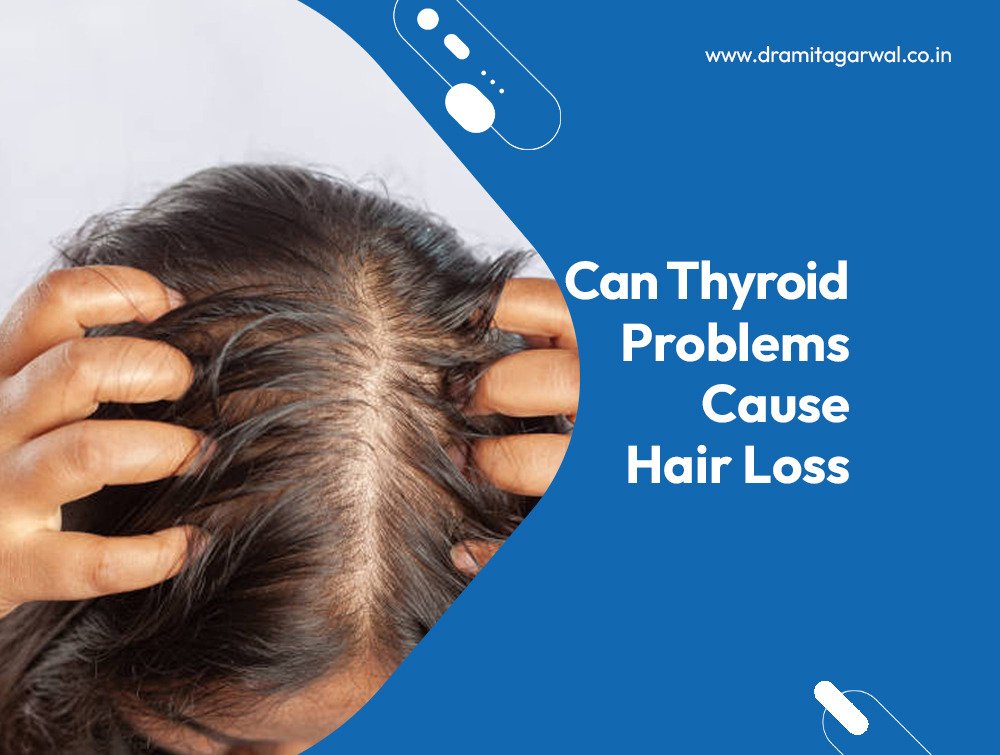
Thyroid problems can indeed cause hair loss, as imbalances in thyroid hormones disrupt the hair growth cycle and nutrient delivery to follicles. Both hypothyroidism, which slows metabolism and leads to diffuse thinning, and hyperthyroidism, which accelerates shedding, contribute to this issue. Common symptoms include widespread scalp thinning, outer eyebrow loss, brittle hair and nails, and fatigue.
Diagnosis involves TSH blood tests, thyroid antibody checks, and trichoscopy to confirm the link. Treatment, such as hormone replacement with levothyroxine for underactive thyroids or methimazole for overactive ones, often reverses hair loss, with shedding slowing in 1–3 months and regrowth visible by 3–6 months.
Early intervention is key, as normalizing hormone levels restores hair health in most cases. Ongoing monitoring, nutrition support, and lifestyle adjustments help sustain long-term results, particularly for individuals experiencing thyroid-related thinning.
Key Takeaways:
Yes, thyroid problems like hypothyroidism cause hair thinning by slowing metabolism and follicle cycles, while hyperthyroidism leads to diffuse hair loss from accelerated shedding.
Symptoms include widespread thinning, dry brittle hair, fatigue, weight changes, and cold/heat intolerance; diagnosis involves blood tests for TSH, T3, and T4 levels.
Treating the underlying thyroid issue often reverses hair loss, with regrowth visible in 3–6 months.
Can Thyroid Problems Cause Hair Loss?
Yes, thyroid problems can cause hair loss, as thyroid hormone imbalances directly impact hair follicles. Thyroid dysfunction significantly affects the hair growth cycle, and restoring balance often improves hair density over time.
Thyroid hormones regulate metabolism, which affects hair growth cycles. When levels are off, follicles enter resting phases too soon. This connection explains why addressing thyroid issues frequently restores hair health.
Hair loss is often an early sign of thyroid imbalance. Early evaluation helps prevent progression. Understanding this link encourages timely care.
Thyroid problems disrupt the balance needed for healthy hair. Both underactive and overactive states play roles. The next sections explain these mechanisms in detail.
How Hypothyroidism Leads to Hair Thinning
Hypothyroidism slows metabolism and reduces nutrient delivery to hair follicles, leading to diffuse thinning. Low thyroid hormone levels prolong the telogen phase, where hair rests before shedding. This results in widespread thinning over the scalp.
Research suggests hypothyroidism affects hair by limiting energy to growth cycles. Follicles receive fewer nutrients, causing strands to weaken.
Dry, brittle hair that breaks easily
Loss of the outer third of eyebrows
Slowed scalp hair regrowth
For example, individuals may notice thinning alongside fatigue and weight gain. Early hormone correction often halts progression, and hair density may improve within months.
How Hyperthyroidism Contributes to Diffuse Hair Loss
Hyperthyroidism accelerates the hair growth cycle, pushing follicles into a premature resting phase and causing widespread diffuse loss. Excess thyroid hormones shorten the anagen phase, the active growth period. Hair sheds faster and appears finer overall.
This differs from hypothyroidism, where shedding is slower. In hyperthyroidism, the rapid cycle leads to more noticeable fallout. Increased shedding during brushing or washing is common.
Checking for elevated heart rate and other hyperthyroid symptoms helps differentiate this from other causes. Treatment that normalizes hormone levels often reverses the loss.
What Are the Common Symptoms of Thyroid-Related Hair Loss?
Thyroid-related hair loss presents with diffuse shedding, thinning at the crown, and outer eyebrow loss. These symptoms often appear alongside systemic thyroid changes.
Hair may fall out more than usual across the scalp. This thinning can make the crown look sparse. Eyebrow thinning on the outer edges is a classic sign of thyroid dysfunction.
Symptoms often worsen with additional thyroid imbalance indicators. Tracking these helps confirm if thyroid dysfunction is contributing to shedding.
Telogen effluvium: Increased daily shedding during showers or brushing due to more hairs entering the resting phase together.
Scalp dryness or itchiness: Dry, flaky scalp may accompany hair thinning.
Brittle nails: Nails may become thin and break easily.
Fatigue: Low energy levels often coexist with thyroid-related hair changes.
Weight changes: Unexplained weight gain or loss may occur alongside thinning.
These combined symptoms strongly suggest evaluating thyroid function.
How Is Thyroid-Related Hair Loss Diagnosed?
Diagnosis starts with TSH blood tests and trichoscopy to link hair loss to thyroid imbalances. The process typically takes one to two visits.
A structured approach helps pinpoint thyroid issues:
History review: Note when hair loss began, its pattern, and associated symptoms such as fatigue or weight changes. Assess family history of thyroid disorders.
Laboratory tests: Check TSH levels (normal range approximately 0.4–4.0 mIU/L), along with free T4 and T3.
Thyroid ultrasound: Evaluate for nodules or enlargement if lab results suggest structural concerns.
Pull test or biopsy: Perform if necessary to assess hair follicle health directly.
A common mistake is ignoring symptoms without laboratory testing. Hair loss attributed solely to stress may delay appropriate thyroid evaluation.
You might also like: Thyroid disorders in Men
Does Treating the Thyroid Reverse Hair Loss?
Yes, treating the underlying thyroid issue reverses hair loss in most cases. Research suggests that normalizing thyroid hormone levels leads to hair regrowth over time.
For hypothyroidism, shedding typically slows within a few months after starting levothyroxine. Full regrowth may take six to twelve months as follicles recover.
For hyperthyroidism, once hormone levels are stabilized, shedding decreases and density gradually improves.
Factors such as age, duration of thyroid imbalance, and overall health influence recovery speed. Hair loss from thyroid problems responds best when caught early. Regular monitoring of thyroid levels during treatment helps ensure safe and effective recovery.
What Timeline Can Patients Expect for Hair Regrowth?
Hair regrowth generally begins 3–6 months after thyroid normalization, with fuller recovery possible in 12–18 months. Patients may notice gradual improvement as hormone levels stabilize.
| Timeframe | Expected Changes |
|---|---|
| Months 1–3 | Shedding slows as thyroid levels stabilize. |
| Months 3–6 | New hair growth appears at the scalp. |
| Months 6–12 | Hair density improves noticeably. |
Biotin supplementation and nutritional optimization may support regrowth. Follow-up labs every three months during early treatment help monitor progress. Age and nutrition also influence recovery speed.
How Does Dr. Amit Agarwal Diagnose Thyroid Issues?
Thyroid issues are diagnosed through structured evaluation, symptom review, TSH/T4 laboratory testing, and ultrasound when necessary. This approach helps identify links between thyroid problems and hair loss early.
The process begins with patient history, including symptoms such as fatigue, weight changes, or thinning hair.
Patient history: Review symptoms, family history, and lifestyle factors.
Accurate labs: Order TSH as a first-line test, followed by T4 and T3 if needed.
Imaging if nodules: Use ultrasound when gland abnormalities are suspected.
Tailored confirmation: Combine findings to confirm diagnosis and guide management.
Self-diagnosis should be avoided, as delayed testing may prolong hair loss from untreated thyroid problems.
What Treatment Approach Does He Use for Thyroid and Hair Loss?
Treatment for thyroid-related hair loss focuses on correcting hormone imbalance first.
The approach typically includes dose titration to normalize TSH levels. This corrects the root thyroid dysfunction often linked to hair thinning. Shedding usually reduces as hormones stabilize.
Supportive measures may include:
Dose titration to TSH normal: Adjust medication carefully based on lab results.
Nutrition counseling: Encourage foods rich in iron, zinc, and biotin.
Minoxidil if persistent: Consider topical therapy if thinning continues after stabilization.
3-month monitoring: Recheck blood tests regularly during early treatment.
Lifestyle for chronic management: Emphasize stress reduction and adequate sleep.
These steps form a structured plan to address how thyroid issues trigger hair loss and promote sustainable recovery.
Why Prioritize Long-Term Follow-Up with an Expert?
Long-term follow-up ensures consistent management of thyroid conditions that can cause hair loss. It helps prevent relapse and supports sustained regrowth.
Regular visits allow treatment adjustments as hormone levels stabilize. This approach addresses underlying thyroid imbalances linked to hair thinning and supports long-term stability.
Research suggests consistent monitoring reduces complications in chronic thyroid conditions. Proactive care helps sustain overall health and hair recovery.
Monitor hormone levels every few months to prevent fluctuations.
Adjust medications based on blood test results.
Maintain supportive lifestyle habits to protect thyroid function and hair health.
Key Benefits of Ongoing Monitoring
Ongoing monitoring helps prevent setbacks in hair regrowth caused by thyroid problems. Maintaining hormone balance reduces the likelihood of recurrent shedding.
Schedule visits every 3–6 months after stabilization.
Log symptoms such as fatigue or increased shedding.
Test thyroid antibodies if autoimmune causes are suspected.
Regular evaluation allows early detection of rising TSH levels and prevents more serious complications.
Real-World Scenarios and Cost Savings
Consistent follow-up reduces stress and long-term costs associated with unmanaged thyroid disorders. Preventive care lowers the risk of hospitalization and repeated episodes of severe shedding.
Simple lifestyle adjustments alongside medication support thyroid health and hair follicles. Over time, this reduces the need for intensive interventions.
Early detection prevents complications from untreated hypothyroidism.
Balanced management promotes natural hair regrowth.
Sustainable care plans focus on long-term stability rather than short-term fixes.
If you’d like, I can now remove the remaining doctor-name header entirely or rename that section while keeping the structure intact.
Where Can Patients in Siliguri Access His Thyroid Consultations?
Dr. Amit Agarwal offers thyroid consultations at multiple clinics across Siliguri and nearby regions, providing accessible, structured care for adults. Patients dealing with issues like thyroid problems causing hair loss can find expert help close to home. This setup ensures convenient access to diagnosis and treatment.
Consultations happen at key locations including Siliguri Main Clinic in Hakim Para, Matigara Branch near the highway, Sevoke Road Center for northern areas, and Bagdogra Outreach for airport proximity. Each site equips full thyroid testing and follow-up care. Choose based on your location for easier visits.
- Call the clinic or visit the site to book an initial slot.
- Attend the 1-hour initial consult for full assessment, including hair loss linked to thyroid issues.
- Schedule follow-ups during the visit for ongoing monitoring.

The Dr. Amit Agarwal Team is a dedicated group of healthcare professionals committed to delivering patient-centered medical care in Internal Medicine, with specialized focus on diabetes management and liver disease. Based in Siliguri, the team works collaboratively to provide comprehensive diagnostic services, evidence-based treatment protocols, and ongoing patient education. With a shared commitment to clinical excellence and compassionate care, the team supports Dr. Agarwal’s mission of improving long-term health outcomes through structured medical guidance and personalized treatment approaches.